
5,000-year-old ‘slag’ reveals earliest metal working processes with CT scanning method
Source: interestingengineering
Author: Maria Mocerino
Published: 11/22/2025
To read the full content, please visit the original article.
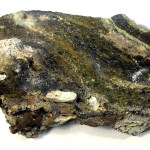
Read original articleMIT researchers have developed an innovative application of CT scanning technology to study 5,000-year-old slag from an ancient metallurgical site in Tepe Hissar, Iran—one of the earliest known centers of copper extraction and metalworking. By using industrial and conventional CT scanners alongside traditional analytical methods such as X-ray fluorescence and electron microscopy, the team was able to non-invasively examine the internal structure of the slag, revealing details about the pores, composition, and traces of materials involved in early metal production. This approach marks the first time CT scanning has been applied to ancient slag, providing new insights into the technological processes of early metallurgy.
The study not only sheds light on how ancient civilizations processed metals but also raises new questions about the role of elements like arsenic in early smelting practices, a topic that has sparked debate among researchers. The CT scanning method offers a powerful tool for archaeologists to better understand the complexity of ancient materials, corrosion effects, and the long-term stability of artifacts.
Tags
materialsmetallurgyCT-scanningancient-technologyarchaeometallurgymetalworkingMIT-research