
Algae-based asphalt resists cracks and survives deep freezes
Source: interestingengineering
Author: @IntEngineering
Published: 12/16/2025
To read the full content, please visit the original article.
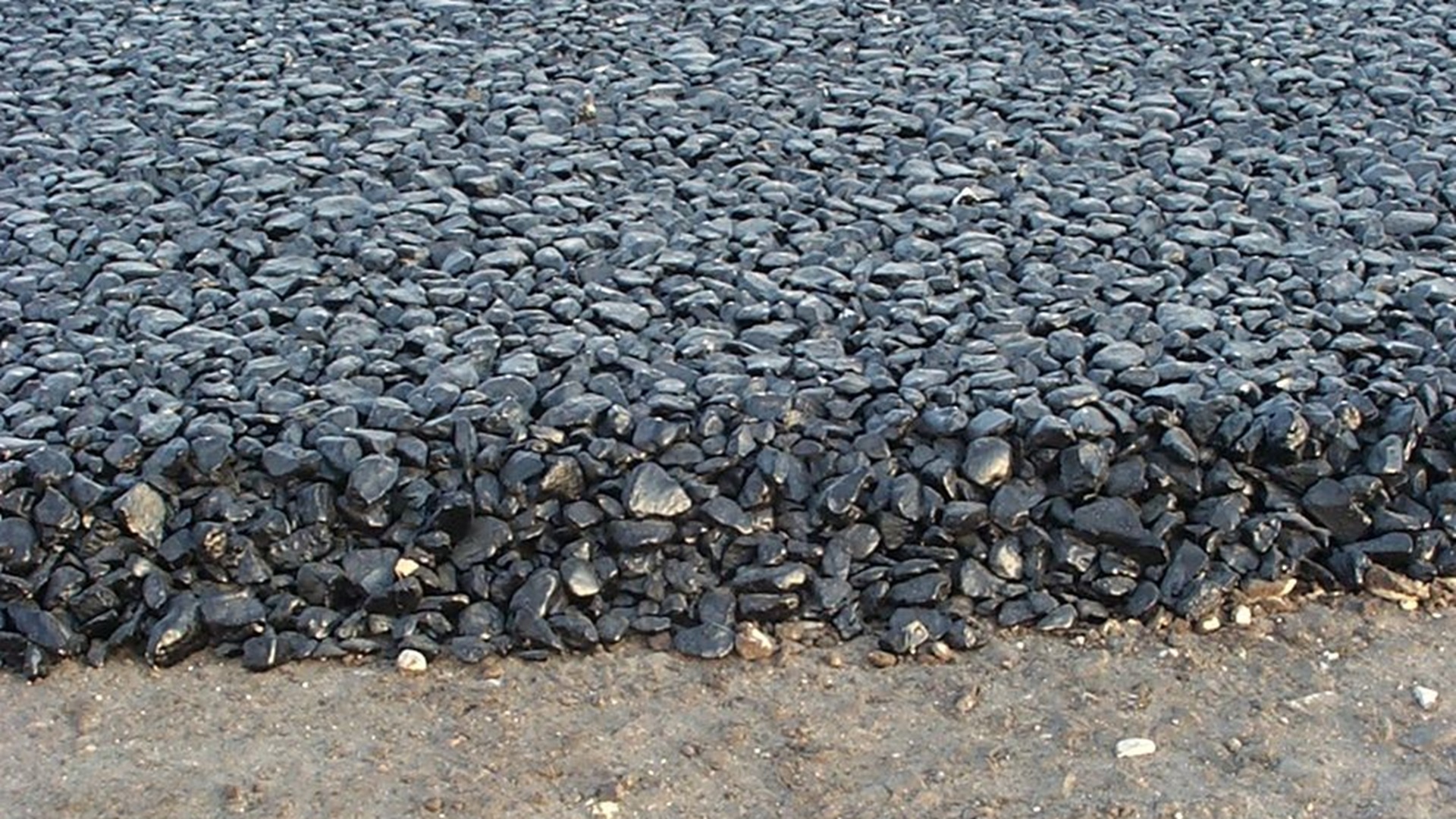
Read original articleResearchers have developed a new algae-based binder for asphalt that significantly improves road durability in freezing temperatures while reducing carbon emissions. Traditional asphalt uses bitumen, a petroleum-based binder that becomes brittle in cold weather, leading to cracks, potholes, and costly repairs. The team, led by Elham Fini, created a rubbery binder derived from oils of microscopic algae, particularly from the freshwater green microalga Haematococcus pluvialis, which demonstrated superior resistance to deformation and moisture damage under simulated traffic and freeze-thaw conditions.
Laboratory tests showed that asphalt incorporating the algae-based binder exhibited up to a 70% improvement in deformation recovery compared to conventional asphalt. Environmentally, substituting just 1% of petroleum binder with algae oil could reduce net carbon emissions from asphalt by 4.5%, with a 22% substitution potentially achieving carbon neutrality. This innovation promises more sustainable, resilient roadways without significant cost increases, addressing both infrastructure longevity and environmental impact. The research was funded by the
Tags
materialssustainable-materialsalgae-based-asphaltgreen-constructioncarbon-reductionfreeze-thaw-resistanceroad-durability