
Asteroid samples show amino acids can form in radioactive space
Source: interestingengineering
Author: @IntEngineering
Published: 2/9/2026
To read the full content, please visit the original article.
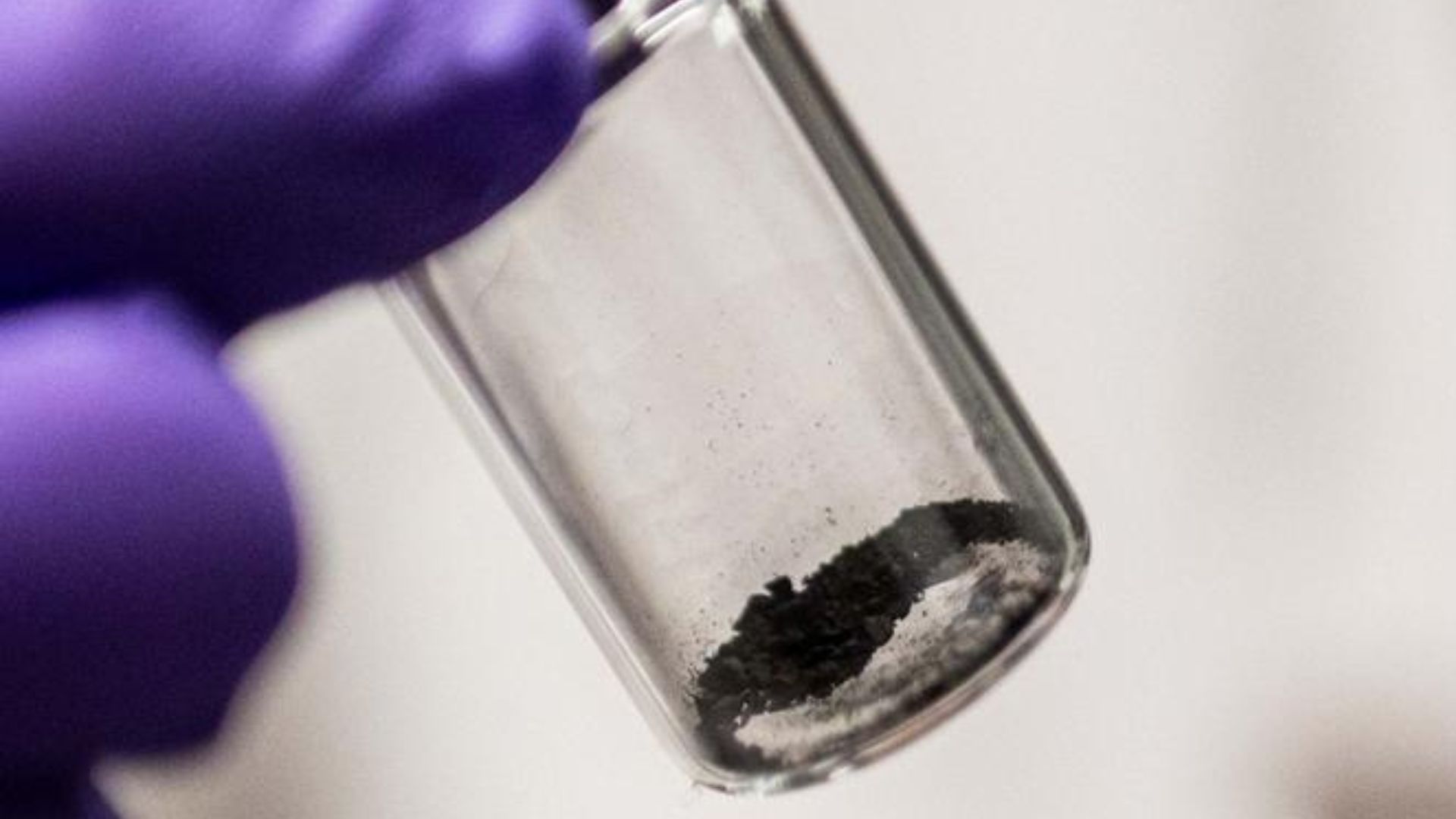
Read original articleA recent study by Penn State scientists analyzing 4.6-billion-year-old asteroid samples from NASA’s OSIRIS-REx mission challenges the long-held belief that amino acids—the essential building blocks of life—require warm, liquid water to form. Instead, their findings indicate that amino acids like glycine likely originated in icy, radioactive environments in the outer solar system. Using advanced isotopic measurement techniques, the researchers demonstrated that these molecules formed within frozen ice exposed to radiation, overturning the traditional Strecker synthesis hypothesis and revealing a greater diversity of chemical pathways for amino acid formation in space.
Comparing the Bennu asteroid samples to the well-studied Murchison meteorite, which formed in milder, water-rich conditions, the study highlights the early solar system as a chemically diverse environment with multiple distinct regions producing life's precursors through different mechanisms. Additionally, the researchers uncovered an unexpected isotopic anomaly related to chirality (molecular handedness) in glutamic acid from Bennu, a phenomenon
Tags
materialsastrobiologyamino-acidsspace-explorationmeteoriteschemical-synthesisisotopic-analysis