
Biobased concrete substitute locks in carbon while supporting marine ecosystem repair
Source: interestingengineering
Author: Aamir Khollam
Published: 11/24/2025
To read the full content, please visit the original article.
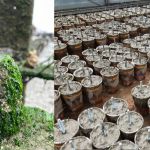
Read original articleResearchers at the Royal Netherlands Institute for Sea Research (NIOZ) have developed and tested Xiriton, a biobased concrete alternative made from grass, volcanic pozzolan, slaked lime, shells, sand, and seawater, showing promising results for coastal restoration. Trials conducted on mudflats in Yerseke demonstrated that after one year, Xiriton blocks supported dense growth of marine life such as oysters, mussels, and algae, indicating its potential to enhance shellfish recovery and restore tidal ecosystems. The material’s pH level (8 to 9) is more neutral compared to standard concrete, benefiting marine settlers, and its composition allows it to naturally break down into harmless substances once reefs stabilize.
Durability tests using a strong current flow setup showed that Xiriton maintains strength comparable to Roman cement alternatives even after prolonged exposure, making it suitable for intertidal restoration where materials must be environmentally safe, flexible, and affordable for large-scale use. Future research aims to explore
Tags
materialsbiobased-materialsconcrete-substitutemarine-ecosystem-restorationsustainable-constructionenvironmental-materialscoastal-restoration