
Burning Plastic Isn’t Renewable: Rethinking Waste & Power In Hawaii - CleanTechnica
Source: cleantechnica
Author: @cleantechnica
Published: 3/12/2026
To read the full content, please visit the original article.
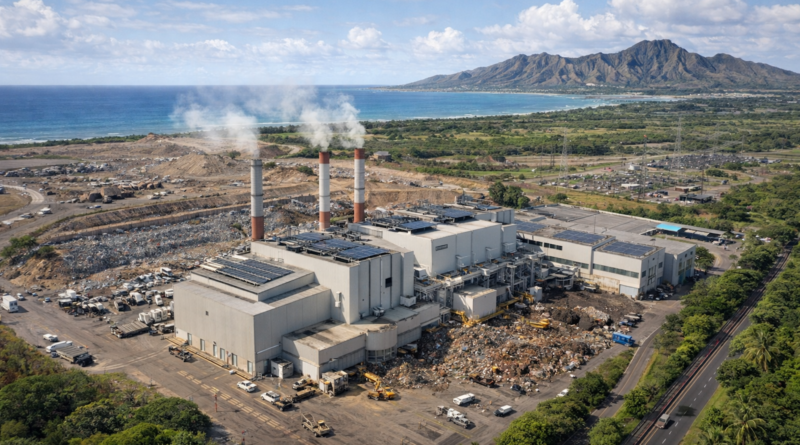
Read original articleThe article critically examines Oʻahu’s H-POWER waste-to-energy facility within the context of the island’s fully electrified energy system. H-POWER, operational since 1990 and expanded in 2012, processes 2,000 to 3,000 tons of municipal waste daily, generating about 340 GWh annually—roughly 4-5% of Oʻahu’s electricity. While the plant significantly reduces landfill volume by converting waste to ash and flue gases, its primary function is waste disposal rather than clean energy production. The article highlights that modern municipal waste contains a substantial portion of fossil-derived materials, especially plastics, which release fossil carbon dioxide when burned. Hawaiʻi’s greenhouse gas inventory estimates about 300,000 metric tons of CO2e annually from waste incineration, resulting in an emissions intensity (~0.88 tons CO2e/MWh) comparable to coal plants and much higher than renewable sources like solar or wind.
Further analysis of the waste composition
Tags
energywaste-to-energyrenewable-energyemissionselectricity-generationclimate-impactwaste-management