
CERN turbocharges antimatter output with bold cooling technique
Source: interestingengineering
Author: @IntEngineering
Published: 11/18/2025
To read the full content, please visit the original article.
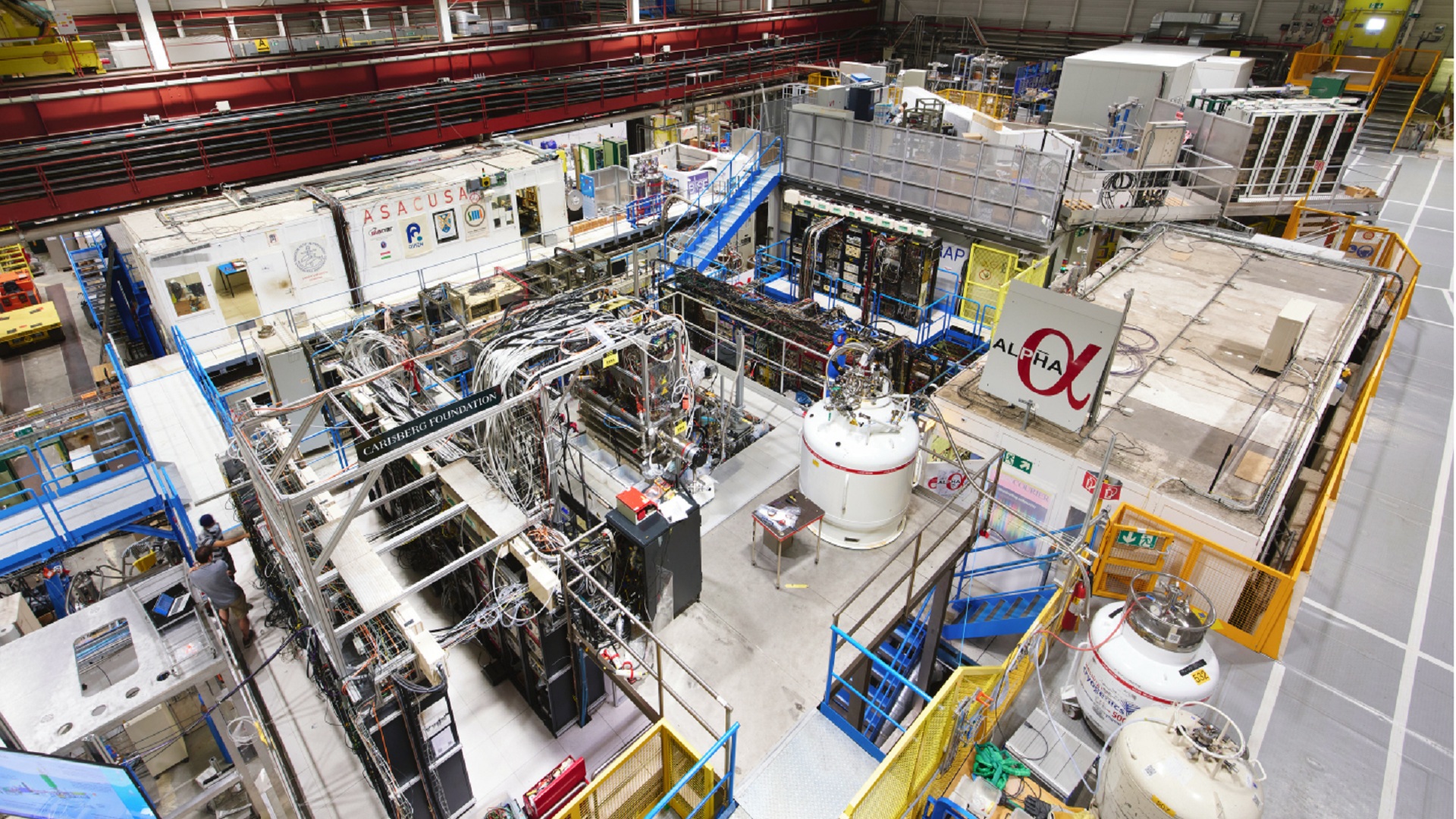
Read original articleCERN’s ALPHA experiment has achieved a major breakthrough in antimatter production by developing a novel cooling technique that dramatically increases the yield of antihydrogen atoms. By introducing laser-cooled beryllium ions into a Penning trap containing positrons, the team employed sympathetic cooling to lower the positrons’ temperature to about −266°C. This significant reduction in energy made the positrons far more likely to bind with antiprotons, enabling the production of over 15,000 antihydrogen atoms in under seven hours—a process that previously took weeks. This eightfold increase in efficiency marks a transformative advance in antimatter research.
The enhanced production capability has allowed the ALPHA collaboration to generate more than two million antihydrogen atoms during the 2023–24 experimental runs, facilitating faster and more detailed investigations into antimatter’s properties. One key application is the ALPHA-g experiment, which studies how gravity affects antimatter, a fundamental question in physics. The ability to rapidly accumulate large datasets
Tags
materialsantimattercooling-techniqueparticle-physicsCERNantihydrogenlaser-cooling