
Chernobyl nuclear fungus may shield astronauts from radiation in space
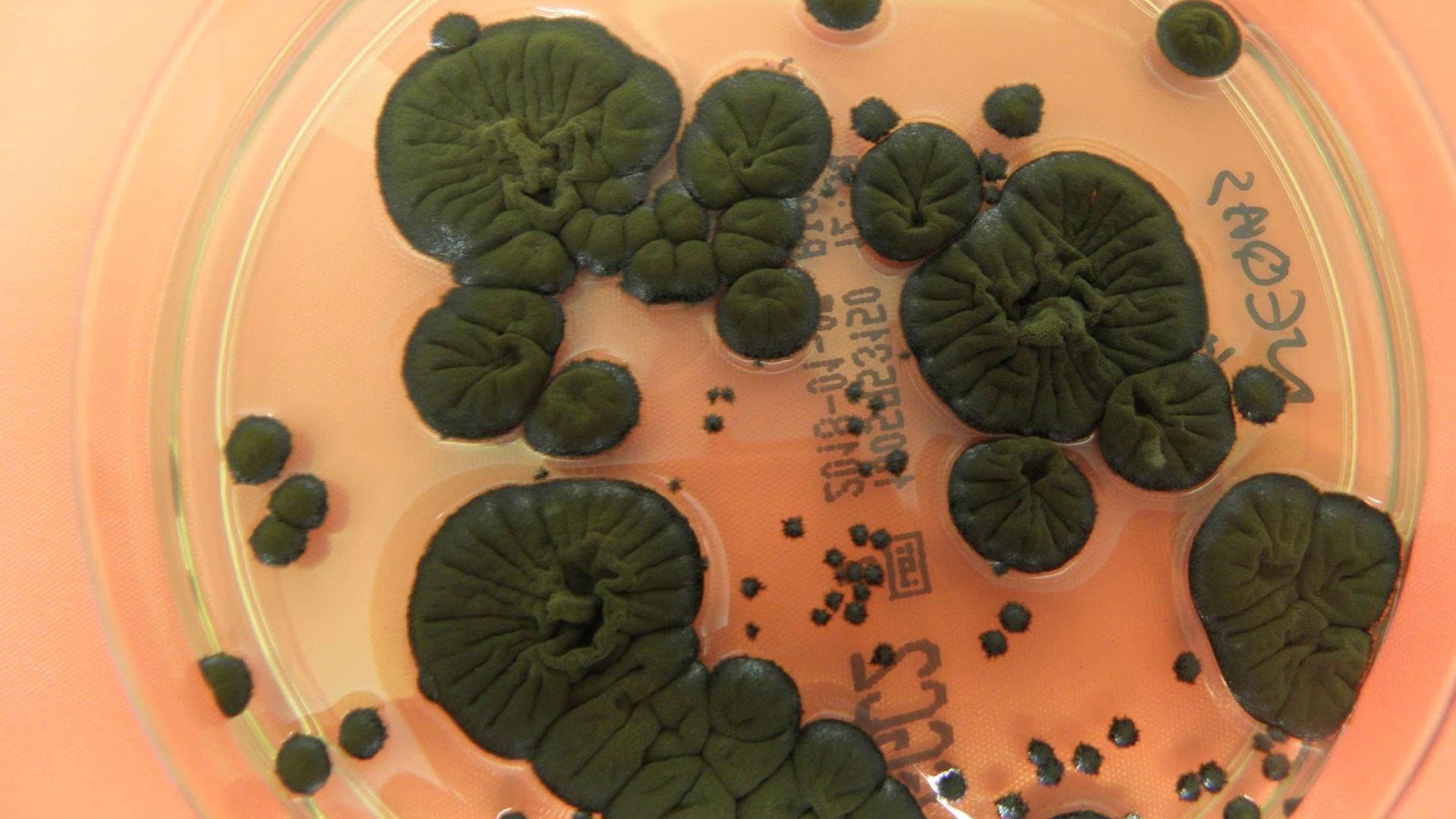
Source: interestingengineering
Author: @IntEngineering
Published: 12/1/2025
To read the full content, please visit the original article.
Read original articleA unique black fungus discovered at the Chernobyl nuclear disaster site has demonstrated an extraordinary ability to not only survive but thrive by utilizing ionizing radiation as a source of energy. First identified in 1997 by mycologist Nelli Zhdanova, this melanized fungus colonizes highly radioactive environments, challenging previous assumptions about life's resilience to radiation. The pigment melanin, which is abundant in the fungus’s cell walls, appears to play a crucial role by converting harmful radiation into usable metabolic energy through a process termed radiosynthesis. Studies showed that these fungi grew faster when exposed to radioactive materials, indicating an active use of radiation rather than mere protection from it.
Further research extended to space environments, where samples of the fungus Cladosporium sphaerospermum were sent to the International Space Station (ISS). There, the fungi not only thrived under intense cosmic radiation but also demonstrated a capacity to shield against it, suggesting potential as a biological radiation barrier. This discovery holds significant promise for space
Tags
energyradiationspace-explorationfungimelanincosmic-radiationastronaut-protection