
China’s 80,000-ton nuclear-proof floating facility to turn blast shocks into light impact
Source: interestingengineering
Author: Prabhat Ranjan Mishra
Published: 11/21/2025
To read the full content, please visit the original article.
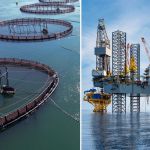
Read original articleChina is developing an 80,000-ton semi-submersible floating research facility designed to withstand nuclear blasts and operate in harsh sea conditions. The twin-hull platform, named the Deep-Sea All-Weather Resident Floating Research Facility, will use specialized metamaterial sandwich panels to convert nuclear blast shocks into gentle impacts, enhancing its resilience. With a crew capacity of 238 and the ability to operate for four months without resupply, the facility aims to support continuous deep-sea scientific research, including marine equipment testing and seabed mining exploration. It is expected to enter service by 2028.
The platform combines mobility and permanence, capable of cruising at 15 knots while enduring powerful tropical cyclones due to its semi-submerged design, which keeps most of the structure below the waterline for stability. Developed by Shanghai Jiao Tong University and China State Shipbuilding Corporation, the facility includes critical compartments with emergency power, communications, and navigation control systems, emphasizing nuclear blast protection. While framed as a major
Tags
materialsmetamaterialsnuclear-blast-resistancefloating-research-facilityenergy-resiliencemaritime-technologystructural-engineering