
China offers new insights into one of lunar science's enduring mysteries
Source: interestingengineering
Author: @IntEngineering
Published: 3/7/2026
To read the full content, please visit the original article.
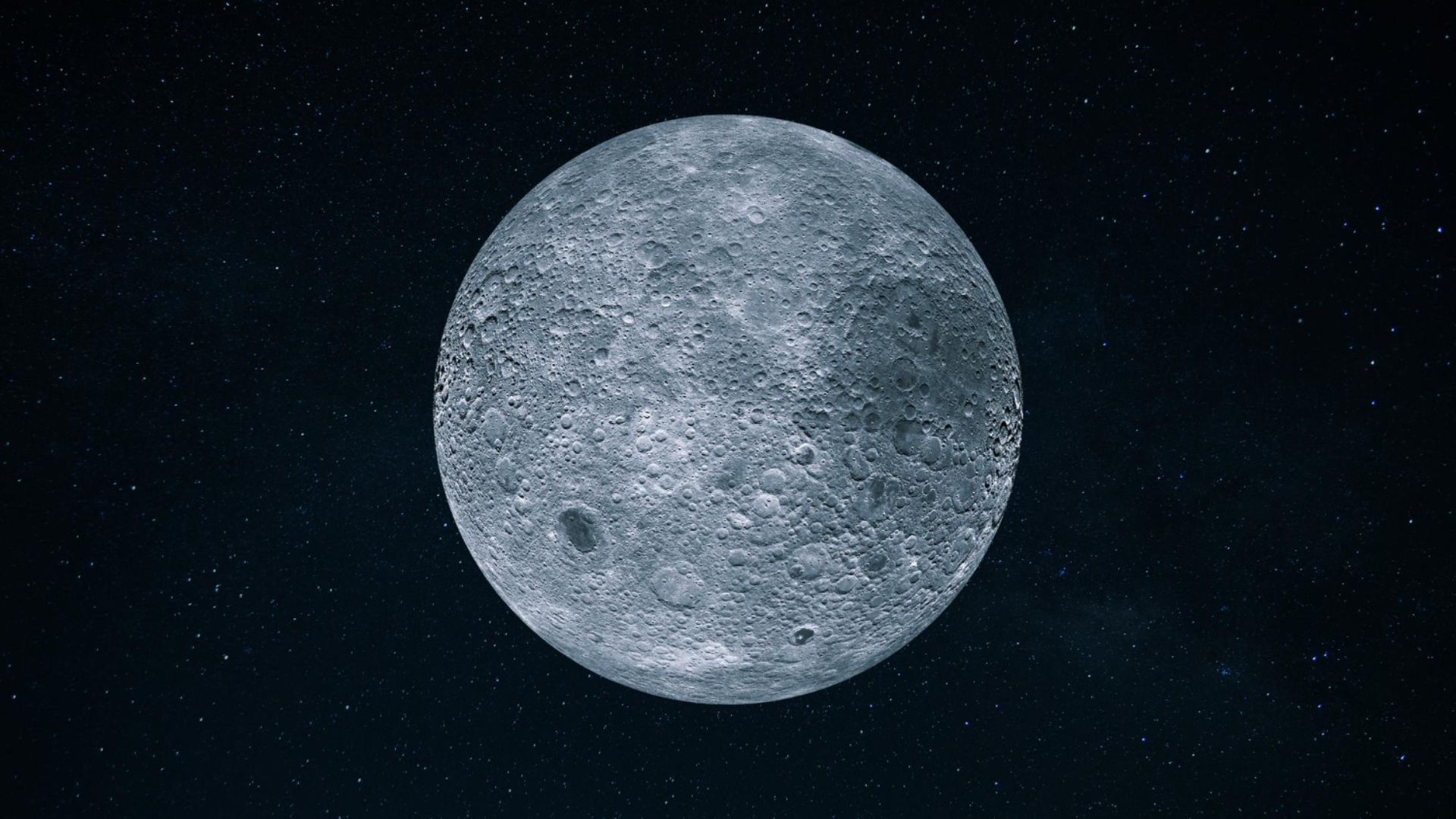
Read original articleChina has made a significant breakthrough in lunar science by determining the chemical composition of the Moon’s far side using artificial intelligence (AI). This advancement leverages samples returned by China’s Chang’e-6 mission—the first to bring material from the Moon’s far side—and combines them with spectral data and high-resolution images from Japan’s Kaguya orbiter. By training an AI model on this integrated dataset, researchers created the first high-precision global map of major oxides (iron, titanium, aluminum, magnesium, calcium, and silicon) on the Moon, including previously unmapped regions. This approach revealed detailed elemental differences across the Moon’s three main chemical provinces: the basaltic maria, the ancient highlands, and the vast South Pole–Aitken basin, the largest and oldest impact crater on the far side.
The study, led by the Shanghai Institute of Technical Physics and published in Nature Sensors, provides strong evidence supporting long-standing theories about the Moon’s geological evolution. Notably, it confirms
Tags
AIlunar-sciencematerials-scienceremote-sensingChang'e-6-missionchemical-mappinggeology