
China's Tesla wannabes split over end-to-end AI framework
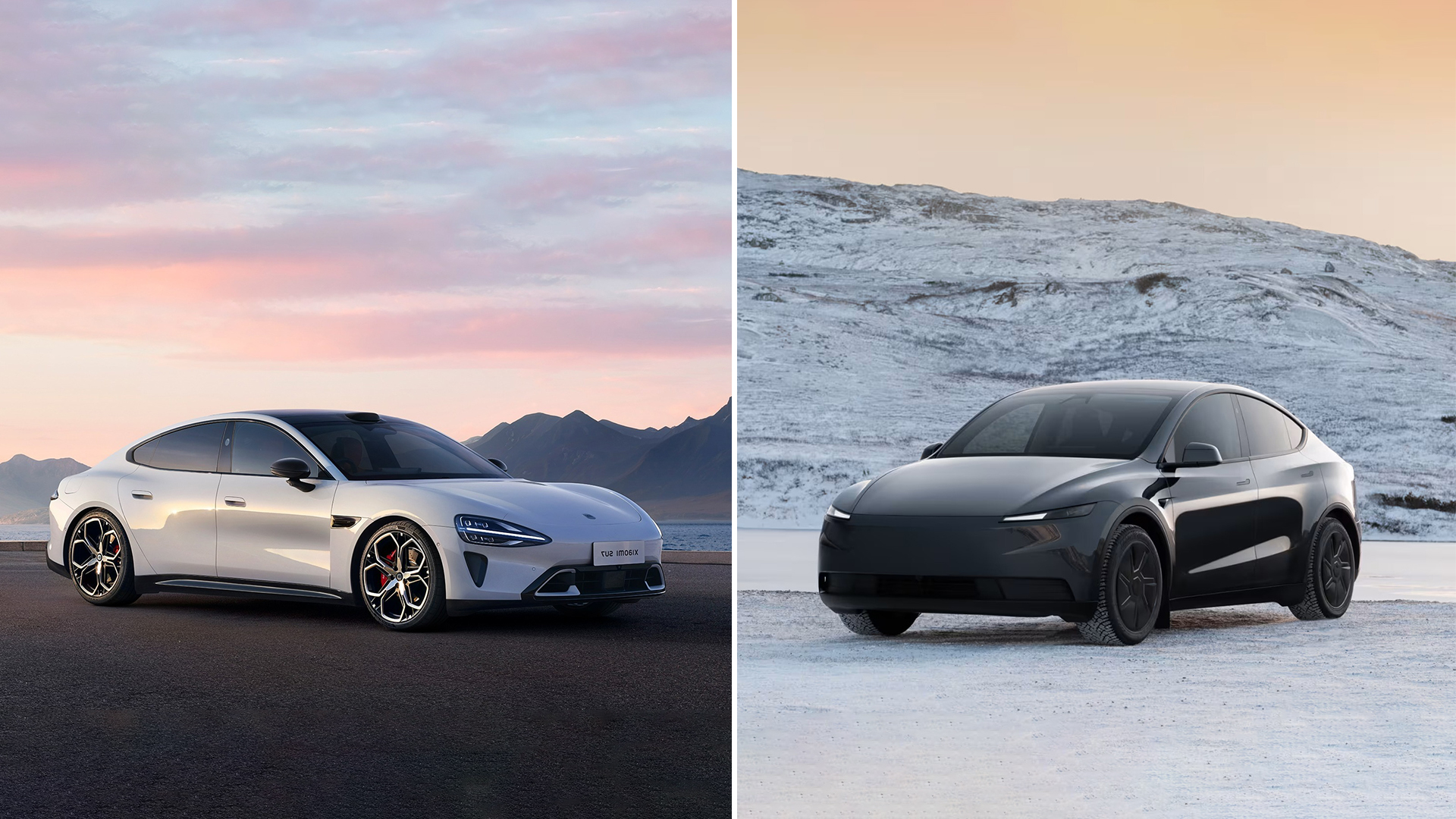
Source: interestingengineering
Author: @IntEngineering
Published: 3/19/2026
To read the full content, please visit the original article.
Read original articleThe article discusses a key debate within China’s autonomous driving industry regarding the optimal AI framework for end-to-end self-driving systems. Inspired by Tesla’s recent fully autonomous coast-to-coast drive in the U.S., Chinese developers are divided over whether to adopt a unified one-stage architecture or maintain a two-stage system that separates perception from planning. This split reflects not only technical considerations but also regulatory demands, limited computing resources, intense market competition, and the need for safety explainability mandated by Chinese authorities. The traditional modular pipeline, while manageable, suffers from error accumulation and limited performance, whereas end-to-end learning promises to simplify complexity but comes in two forms with distinct trade-offs.
The two-stage end-to-end approach resembles a relay race, dividing tasks between networks for perception and planning, which aids development and error diagnosis but loses information through intermediate representations. Conversely, the one-stage model acts like a marathon runner, using a single neural network to convert raw sensor data directly into driving actions, offering higher performance and more
Tags
robotautonomous-drivingAI-frameworkend-to-end-learningintelligent-drivingneural-networksChina-technology