
Cigarette butts turned into carbon electrode for energy storage
Source: interestingengineering
Author: @IntEngineering
Published: 1/30/2026
To read the full content, please visit the original article.
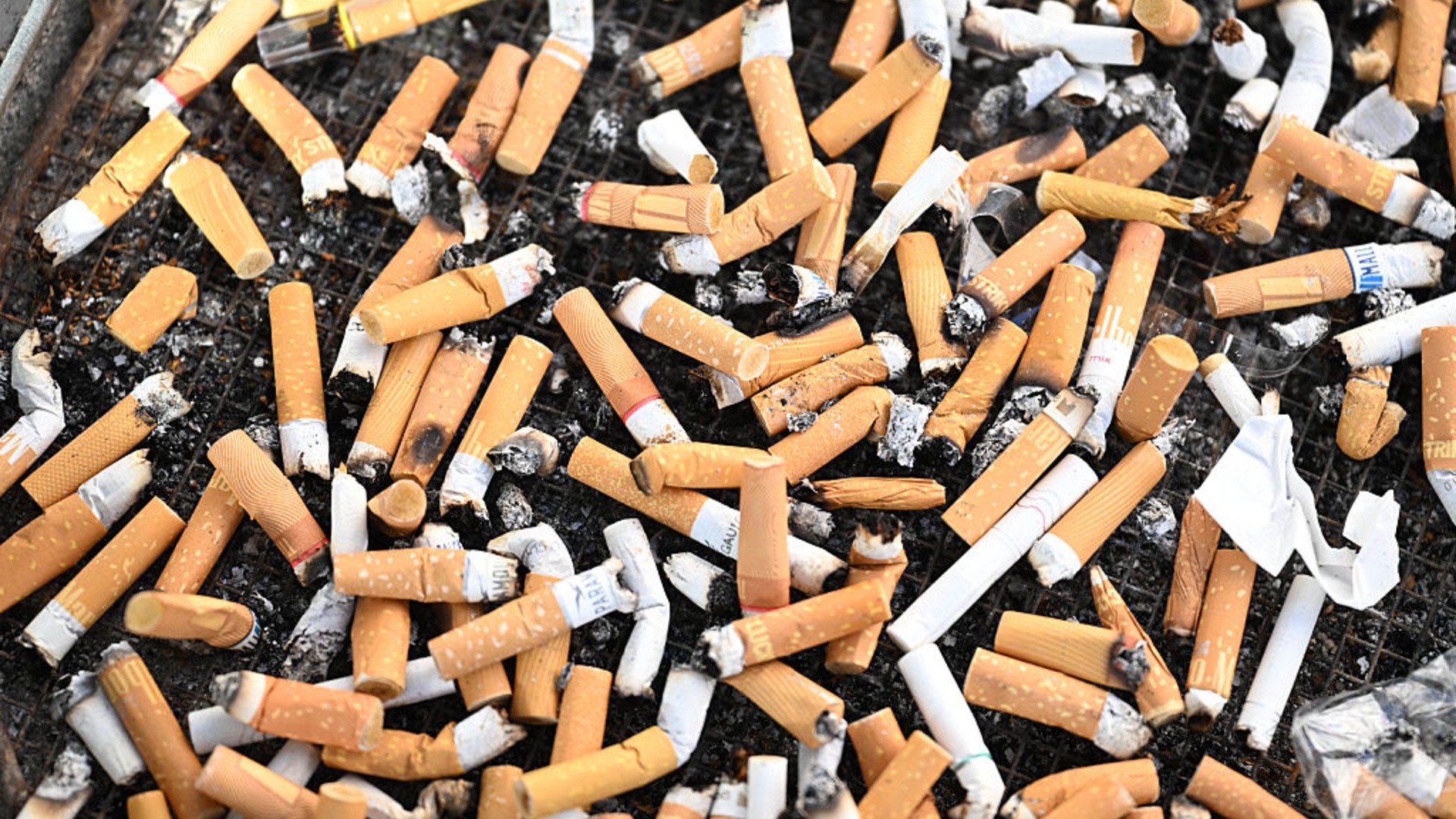
Read original articleResearchers at Henan University in China have developed a method to convert discarded cigarette butts—primarily composed of cellulose acetate—into advanced nanoporous carbon electrodes for supercapacitors, addressing both environmental pollution and energy storage challenges. Using hydrothermal carbonization followed by pyrolysis and chemical etching at 700°C, the team transformed cigarette waste into nitrogen and oxygen co-doped hierarchical nanoporous biochars (CNPBs) with a unique 3D honeycomb structure. This architecture provides a massive surface area and enhanced conductivity, resulting in electrodes with high specific capacitance (344.91 F g⁻¹ at 1 A g⁻¹), excellent rate capability, low internal resistance, and remarkable durability, retaining over 95% capacity after 10,000 charge-discharge cycles.
This innovative approach not only offers a sustainable solution to the persistent environmental problem of cigarette butt litter but also produces supercapacitors that rival or outperform conventional commercial electrodes. The high surface area of the recycled carbon
Tags
energysustainable-energy-storagecarbon-electrodessupercapacitorsnanoporous-carbonbiomass-precursorhydrothermal-carbonization