
Could Light Be Used To Drive Enzymes for Efficient Ammonia Production? - CleanTechnica
Source: cleantechnica
Author: @cleantechnica
Published: 2/7/2026
To read the full content, please visit the original article.
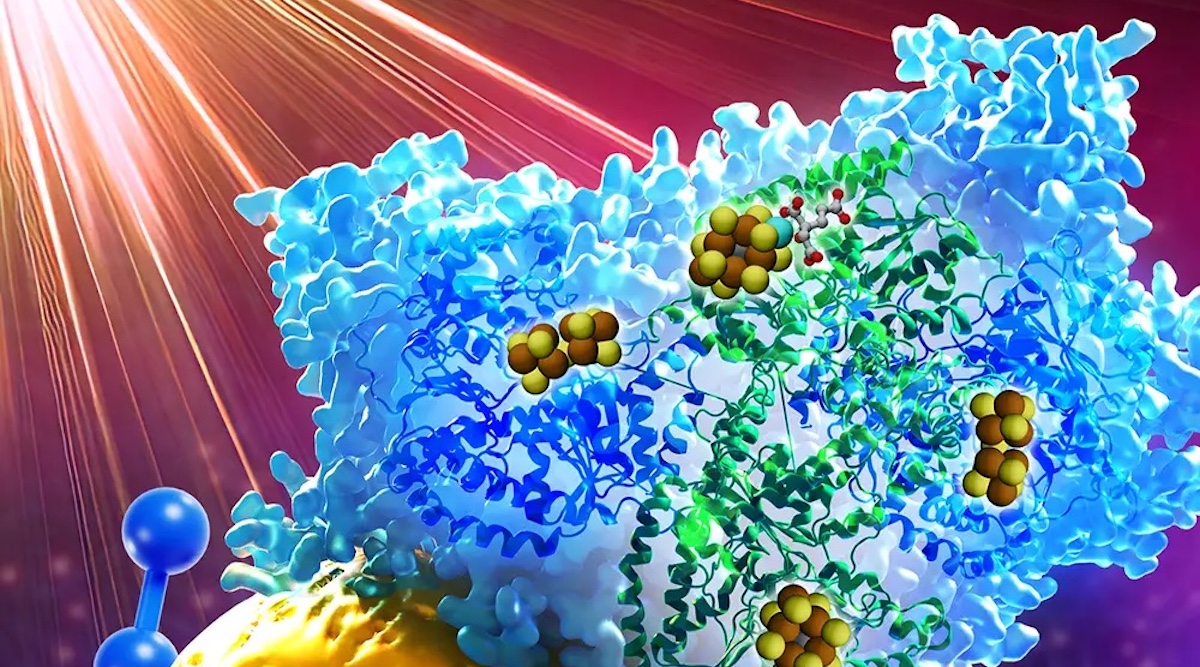
Read original articleThe article discusses innovative research into using light-driven processes to enhance ammonia production, a critical component of global agriculture and energy systems. Ammonia production currently consumes about 2% of the world's energy, with half produced industrially via the energy-intensive Haber-Bosch process and the other half through biological nitrogen fixation using nitrogenase enzymes. Biological fixation is more energy-efficient but geographically dispersed, limiting its industrial application. The research team from the National Laboratory of the Rockies and collaborating universities explored how to harness light energy to drive the nitrogenase enzyme, specifically focusing on the molybdenum-iron (MoFe) protein involved in nitrogen reduction.
Their approach involves using cadmium sulfide (CdS) nanocrystals as catalytic mediators that convert light into high-energy electrons, which then fuel the MoFe protein to reduce nitrogen gas (N₂) into ammonia. This light-driven electron delivery bypasses the natural Fe protein electron donor, potentially enabling more efficient and localized ammonia synthesis under milder conditions.
Tags
energyammonia-productionnitrogenase-enzymesbiological-nitrogen-fixationnanocrystalsphotoexcited-electronssustainable-agriculture