
Cyanobacteria have the potential to turn Martian soil fertile
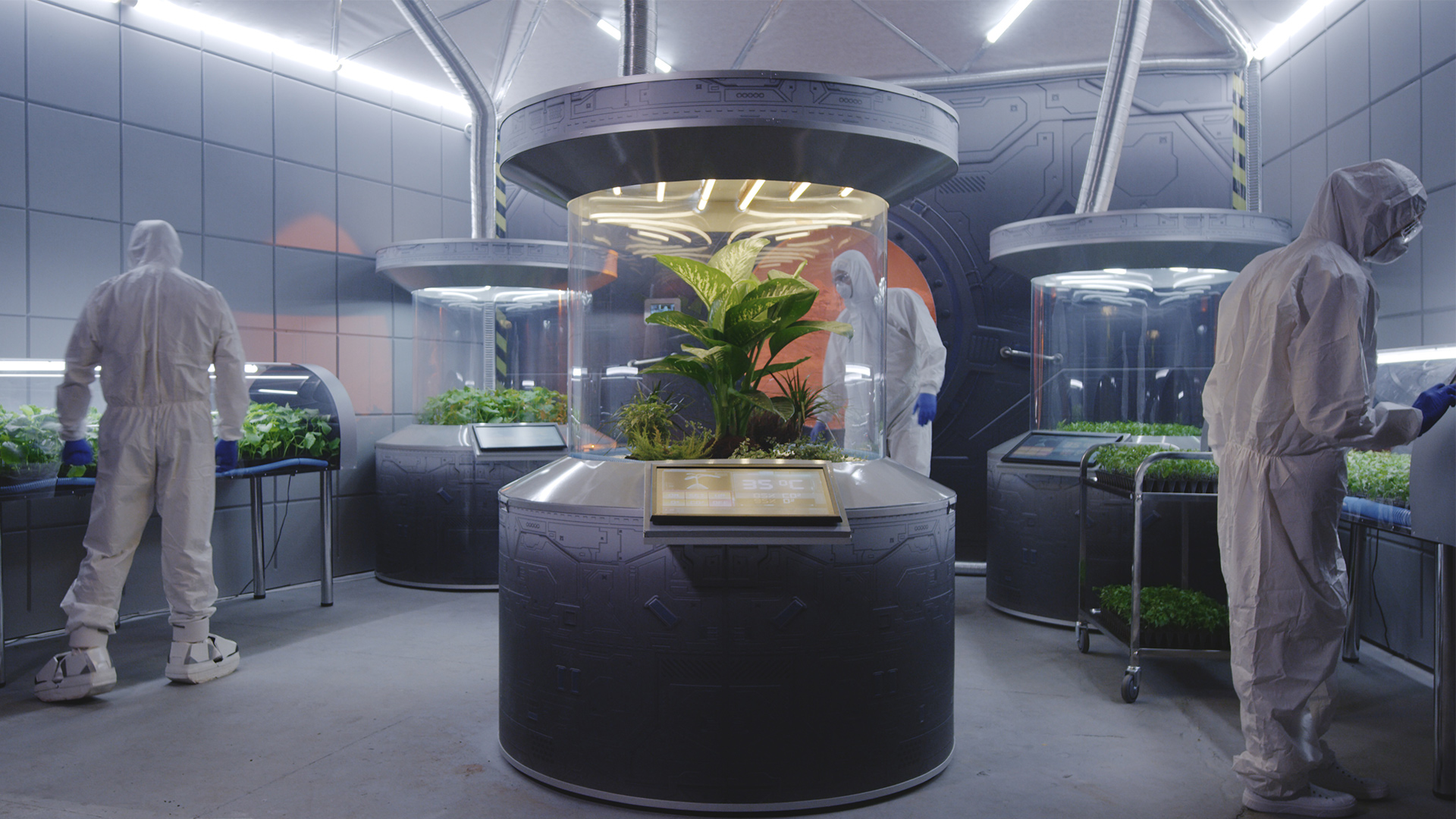
Source: interestingengineering
Author: @IntEngineering
Published: 3/21/2026
To read the full content, please visit the original article.
Read original articleResearchers in Germany have developed a novel system using cyanobacteria to convert Martian-like soil and carbon dioxide into a viable fertilizer capable of growing edible plants, marking a significant step toward sustainable agriculture on Mars. Cyanobacteria, known for their resilience and ability to utilize CO₂ and minerals from dust, were cultivated on a Mars soil simulant (MGS-1). Through anaerobic fermentation of the cyanobacterial biomass—optimized by heating and maintaining specific temperatures—the team produced a nutrient-rich fertilizer. When tested on duckweed, a fast-growing edible plant, one gram of dried cyanobacteria yielded 27 grams of fresh plant mass, demonstrating high efficiency. Additionally, methane produced during fermentation offers a potential energy source.
This research suggests a future where Martian settlers could grow food, produce oxygen, and generate fuel using local resources, reducing dependence on Earth supplies. While promising, the experiments were conducted under Earth conditions, and challenges remain in adapting the system to Mars’s harsh environment, including radiation,
Tags
energymaterialscyanobacteriaMartian-soilfertilizermethanesustainable-agriculture