
‘Distributed energy resources’ like EVs and heat pumps could reduce 10% of peak electricity demand in B.C.: study - Clean Energy Canada
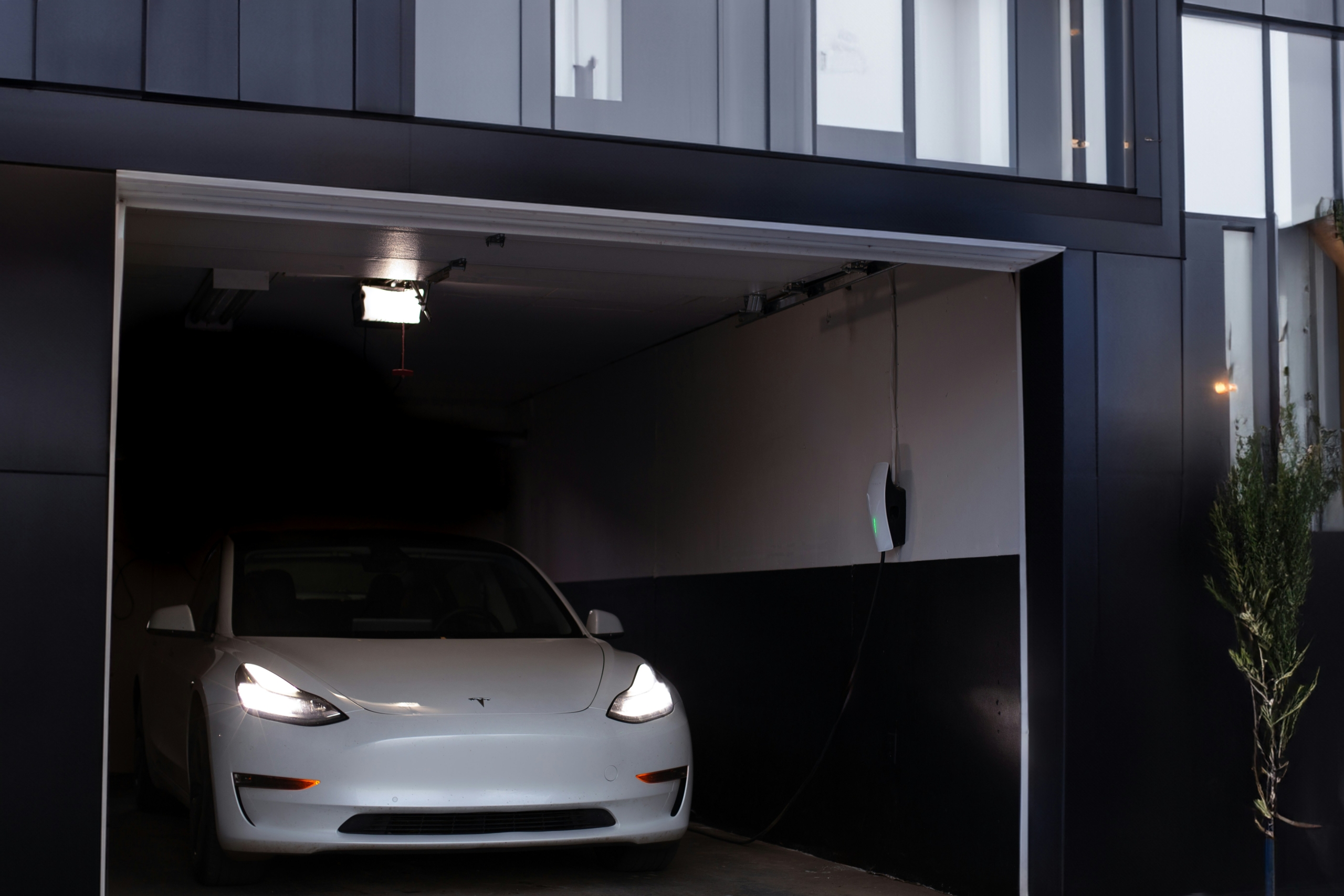
Source: cleanenergycanada
Author: Clean Energy Canada
Published: 3/9/2026
To read the full content, please visit the original article.
Read original articleA recent study by Dunsky Energy + Climate Advisors, commissioned by Clean Energy Canada, highlights the significant potential of distributed energy resources (DERs) such as electric vehicles (EVs), heat pumps, and efficient water heaters to reduce peak electricity demand in British Columbia (B.C.) by over 10% by 2040. DERs are customer-connected technologies capable of generating, storing, or flexibly managing energy demand, and when coordinated by utilities, they form “virtual power plants” (VPPs) that offer a cost-effective alternative to traditional infrastructure expansion. The study emphasizes that prioritizing DERs can help B.C. meet rising electricity demand driven by electrification while supporting decarbonization goals and saving ratepayers money.
The report examines three scenarios: a reference case aligned with BC Hydro’s current plans, an accelerated electrification scenario, and a DER-centric scenario combining rapid electrification with expanded DER programs. Even under the reference scenario, DERs could reduce peak load by
Tags
energydistributed-energy-resourceselectric-vehiclesheat-pumpsgrid-reliabilityvehicle-to-griddecarbonization