
Drones are sniffing whale breath in Arctic to uncover hidden viruses
Source: interestingengineering
Author: @IntEngineering
Published: 12/19/2025
To read the full content, please visit the original article.
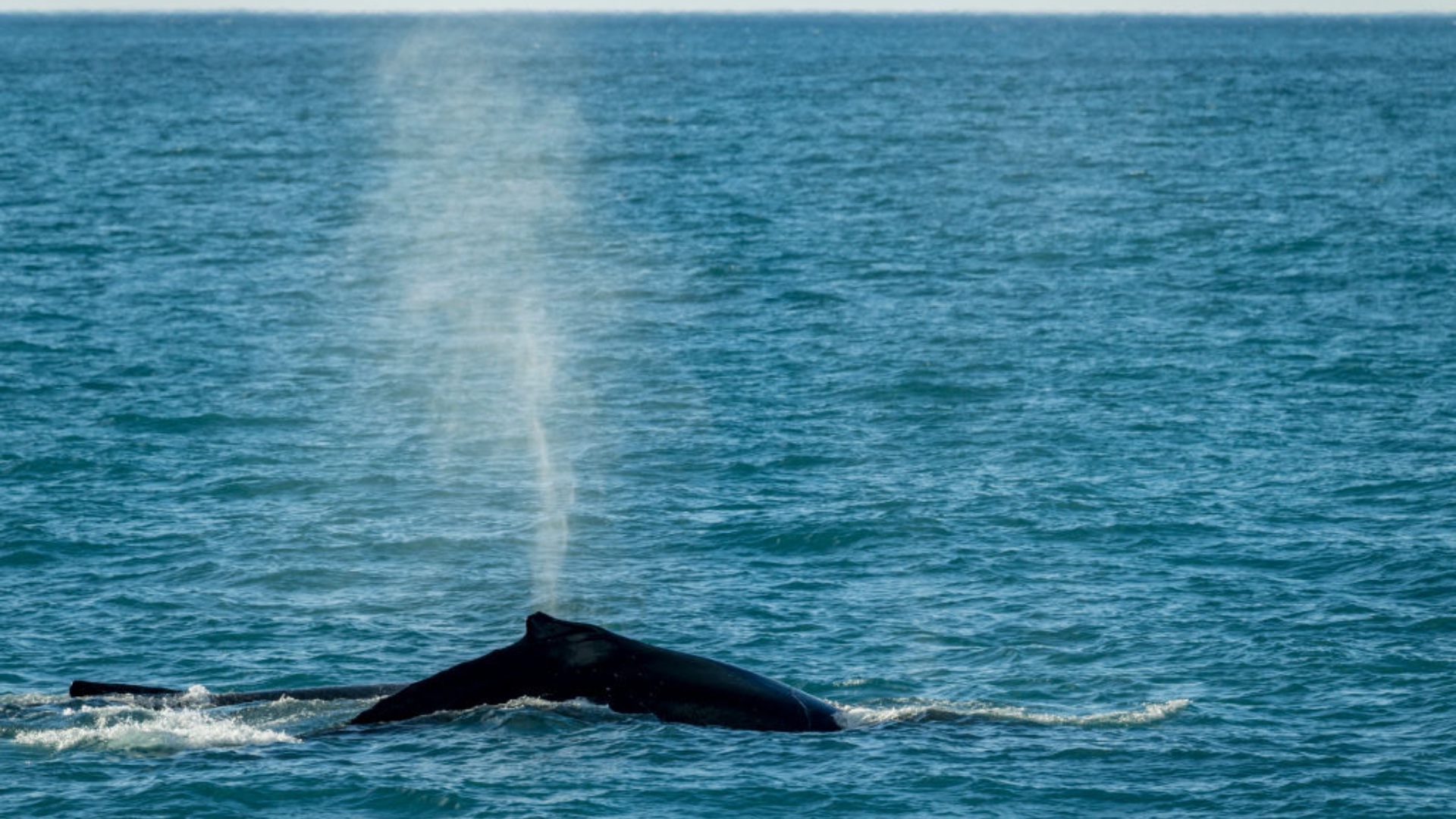
Read original articleResearchers from King’s College London and affiliated institutions have used drones equipped with sterile Petri dishes to non-invasively collect respiratory droplets from humpback, sperm, and fin whales in the Arctic and North Atlantic regions between 2016 and 2025. This innovative "drone blow sampling" technique enabled the detection of cetacean morbillivirus circulating above the Arctic Circle for the first time. Cetacean morbillivirus is a highly contagious virus known to cause severe respiratory, neurological, and immune system damage in marine mammals, often leading to mass strandings and mortality events. The study also identified herpesviruses in whale populations but found no evidence of avian influenza virus or Brucella bacteria in the sampled groups.
The detection of morbillivirus in Arctic whale populations is particularly concerning due to the dense winter-feeding grounds where whales, seabirds, and humans gather, potentially creating hotspots for outbreaks. The researchers emphasize the importance of ongoing long-term surveillance using drones to monitor emerging pathogens and
Tags
droneswildlife-monitoringArctic-researchmarine-biologypathogen-detectionenvironmental-technologynon-invasive-sampling