
Edison's 1879 light bulb may have accidentally produced graphene
Source: interestingengineering
Author: @IntEngineering
Published: 1/26/2026
To read the full content, please visit the original article.
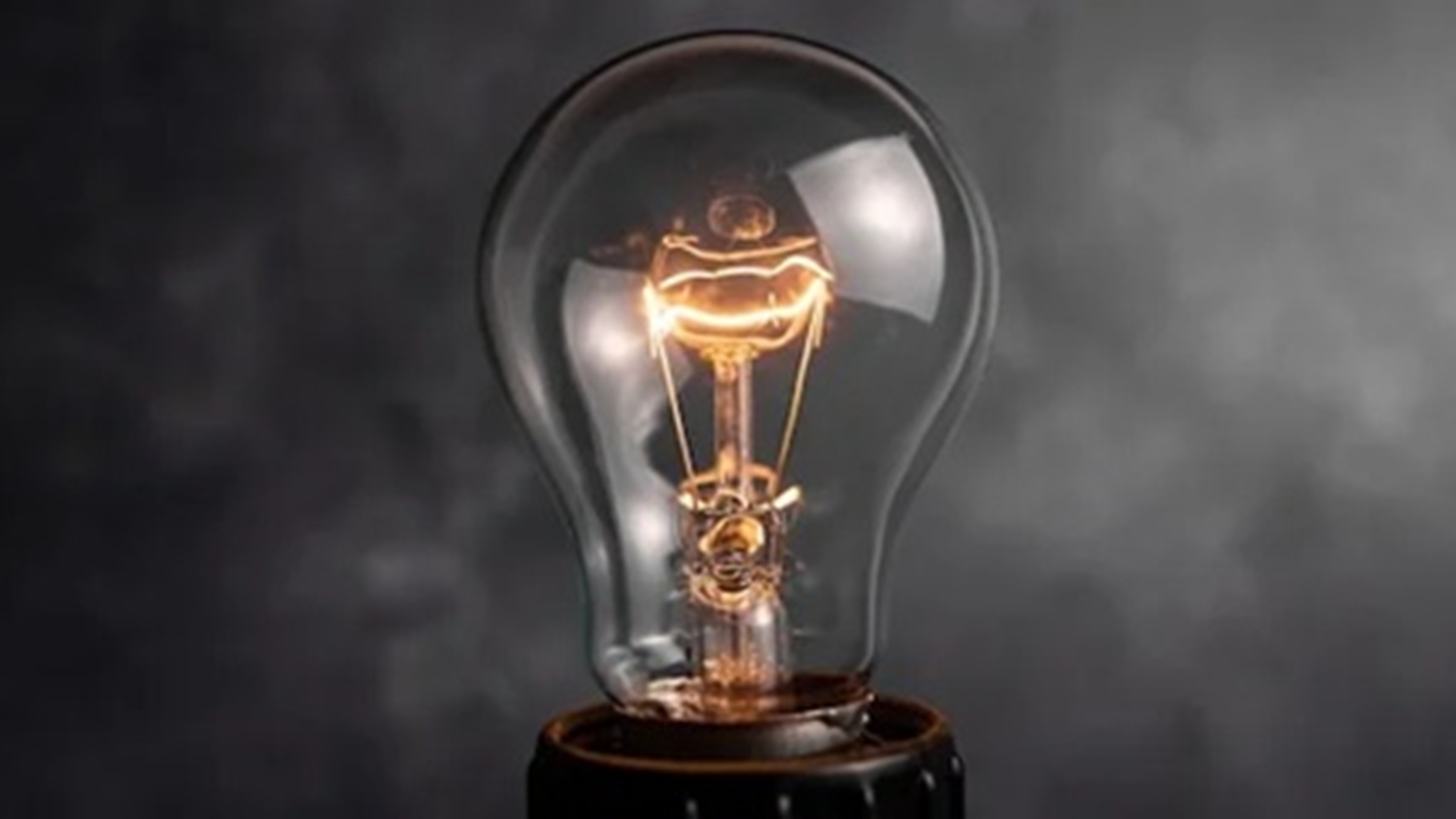
Read original articleResearchers at Rice University, led by Professor James Tour, have discovered evidence that Thomas Edison may have accidentally produced graphene while developing his first light bulb in 1879. By replicating Edison’s original carbon-filament bulb design and applying similar electrical conditions, the team found that parts of the filament transformed into turbostratic graphene—a multi-layer form of graphene with randomly rotated layers valued for scalable production in energy storage and composite materials. This finding suggests that graphene, officially isolated only in 2004, may have been unintentionally created over a century earlier during Edison’s experiments.
The study involved powering artisan-made Edison-style bulbs with a 110-volt direct current for about 20 seconds, closely mimicking the original setup. Analysis using optical microscopy and Raman spectroscopy confirmed the presence of turbostratic graphene on the filament surface, which changed from dark gray to a silvery metallic appearance. The researchers propose that the rapid heating of carbon-based filaments, similar to modern flash Joule heating methods used to produce
Tags
graphenematerials-scienceenergy-storagecarbon-filamentnanomaterialsconductive-materialscomposite-materials