
Engineered bacteria convert plastic waste into Parkinson's medicine
Source: interestingengineering
Author: @IntEngineering
Published: 3/16/2026
To read the full content, please visit the original article.
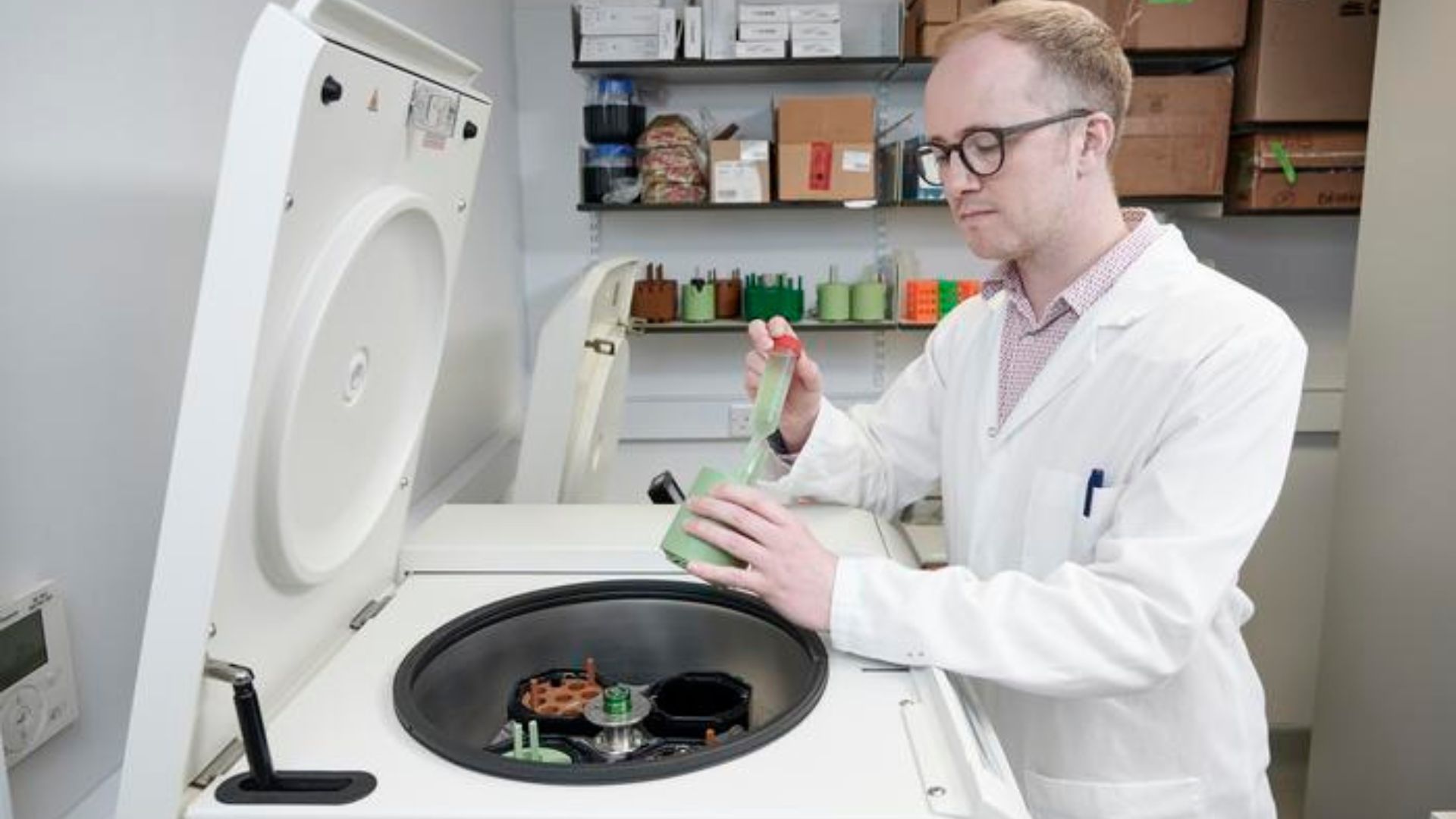
Read original articleResearchers at the University of Edinburgh have developed an innovative biological method to convert polyethylene terephthalate (PET) plastic waste into Levodopa (L-DOPA), a key medication used to treat Parkinson’s disease. By breaking down PET into terephthalic acid and feeding it to engineered E. coli bacteria, the team harnesses these microbes as microscopic factories that synthesize L-DOPA through programmed biological reactions. This approach not only addresses the environmental challenge of plastic pollution but also offers a sustainable alternative to traditional fossil-fuel-based pharmaceutical manufacturing.
This breakthrough represents a significant step toward a circular carbon economy by upcycling persistent plastic waste into a high-value, life-saving drug, thereby reducing ecological impact while benefiting human health. Experts highlight the broader potential of this bio-upcycling technology to produce other valuable compounds such as flavorings, perfumes, and industrial dyes. While the concept has been successfully demonstrated at the laboratory scale, further work is needed to optimize bacterial efficiency, cost-effectiveness, and yield before industrial
Tags
materialsbiotechnologyplastic-recyclingsustainable-manufacturingbioengineeringcircular-economypharmaceutical-production