
Frontier supercomputer uncovers why worn turbine blades drain jet fuel
Source: interestingengineering
Author: @IntEngineering
Published: 1/28/2026
To read the full content, please visit the original article.
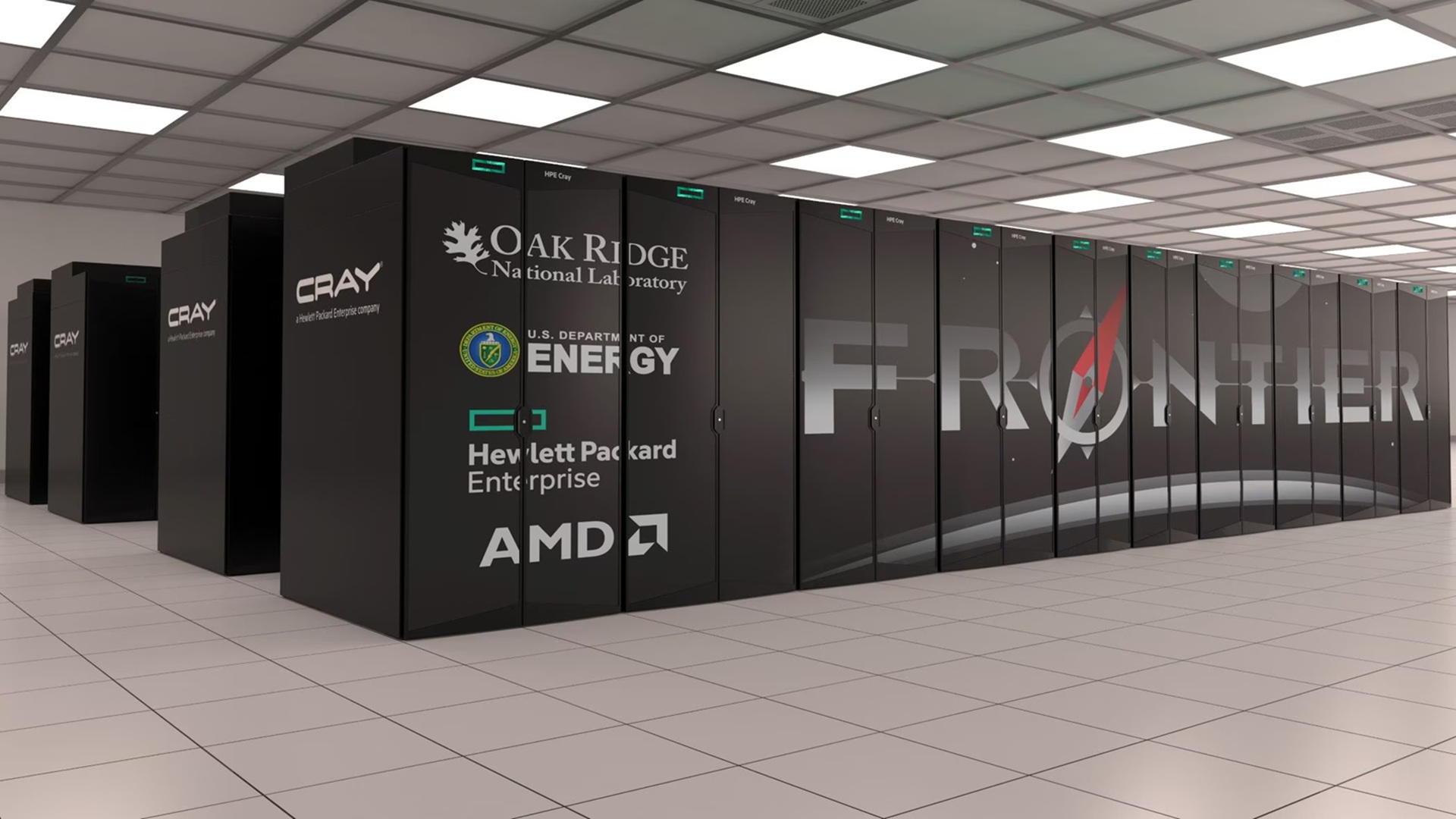
Read original articleResearchers from the University of Melbourne, GE Aerospace, and Oak Ridge National Laboratory utilized the Frontier supercomputer—the world’s first exascale system for open science—to investigate how microscopic surface damage on high-pressure turbine (HPT) blades affects jet engine performance. Operating under extreme temperatures exceeding 3,600°F (2,000°C), turbine blades develop surface roughness from erosion, oxidation, and wear, which increases aerodynamic losses and heat transfer. This degradation reduces fuel efficiency, durability, and necessitates more frequent maintenance. The team conducted unprecedentedly detailed simulations with 10–20 billion grid points, revealing that traditional models of roughness effects based on simple geometries do not accurately capture the complex fluid dynamics in turbine blades.
The study found that surface roughness accelerates the transition from laminar to turbulent flow on turbine blades, significantly increasing heat transfer and aerodynamic losses. These effects lead to reduced engine efficiency and shorter component lifespans, thereby increasing fuel consumption and maintenance needs. The researchers employed direct
Tags
energyturbine-bladesjet-engine-efficiencysupercomputer-simulationmaterials-degradationaerodynamicsheat-transfer