
Geoengineering The Gulf Of Maine - CleanTechnica
Source: cleantechnica
Author: @cleantechnica
Published: 3/11/2026
To read the full content, please visit the original article.
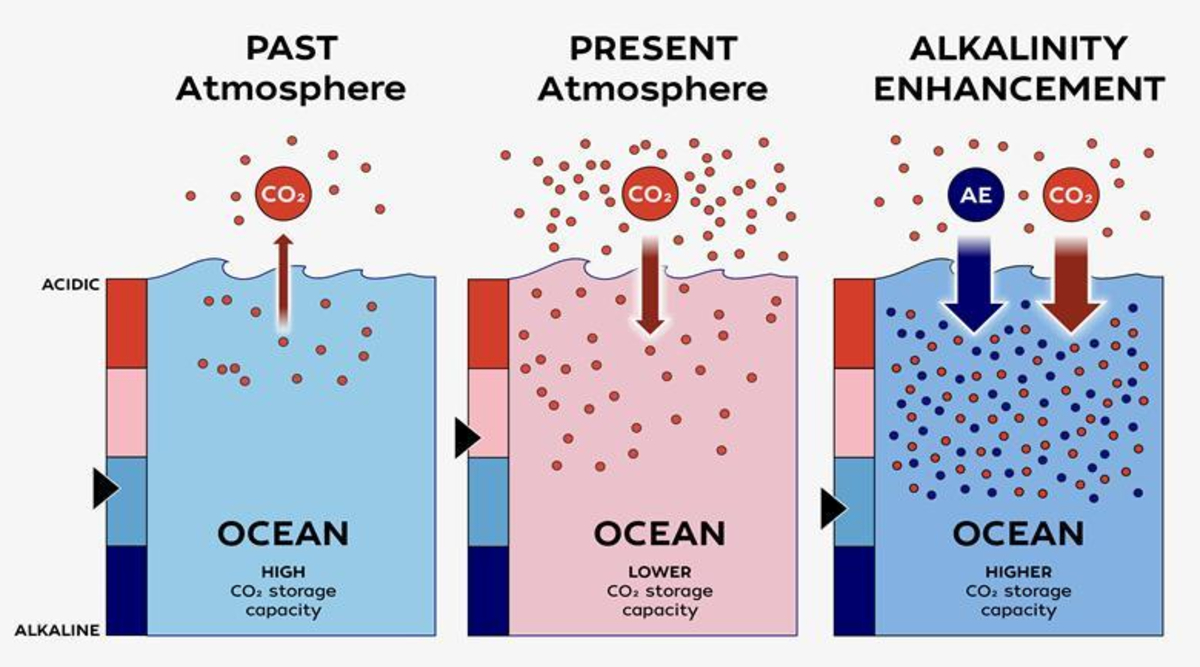
Read original articleThe article discusses the LOC-NESS project, a scientific initiative focused on geoengineering the Gulf of Maine to enhance ocean alkalinity as a method of carbon capture. The ocean is the largest carbon sink on Earth, holding about 38,000 gigatons of carbon, but increased carbon dioxide absorption lowers ocean pH, reducing its capacity to absorb more CO2 and causing ocean acidification. LOC-NESS aims to counteract this by adding alkaline substances, such as sodium hydroxide, to increase ocean alkalinity, thereby promoting greater carbon dioxide uptake. This approach, known as ocean alkalinity enhancement (OAE), has precedent in freshwater restoration but is novel and complex in marine environments.
In a recent experiment near Cape Cod, scientists released 65,000 liters of sodium hydroxide over a 1 square kilometer area and monitored the effects using vessels, underwater vehicles, sensors, and satellite imagery. Preliminary results showed that 2 to 10 tons of atmospheric CO2 were absorbed over four days, with
Tags
energycarbon-captureocean-alkalinity-enhancementclimate-solutionsenvironmental-monitoringmarine-chemistrycarbon-sequestration