
Heat-powered nuclear engines could double efficiency for Mars rockets
Source: interestingengineering
Author: @IntEngineering
Published: 1/12/2026
To read the full content, please visit the original article.
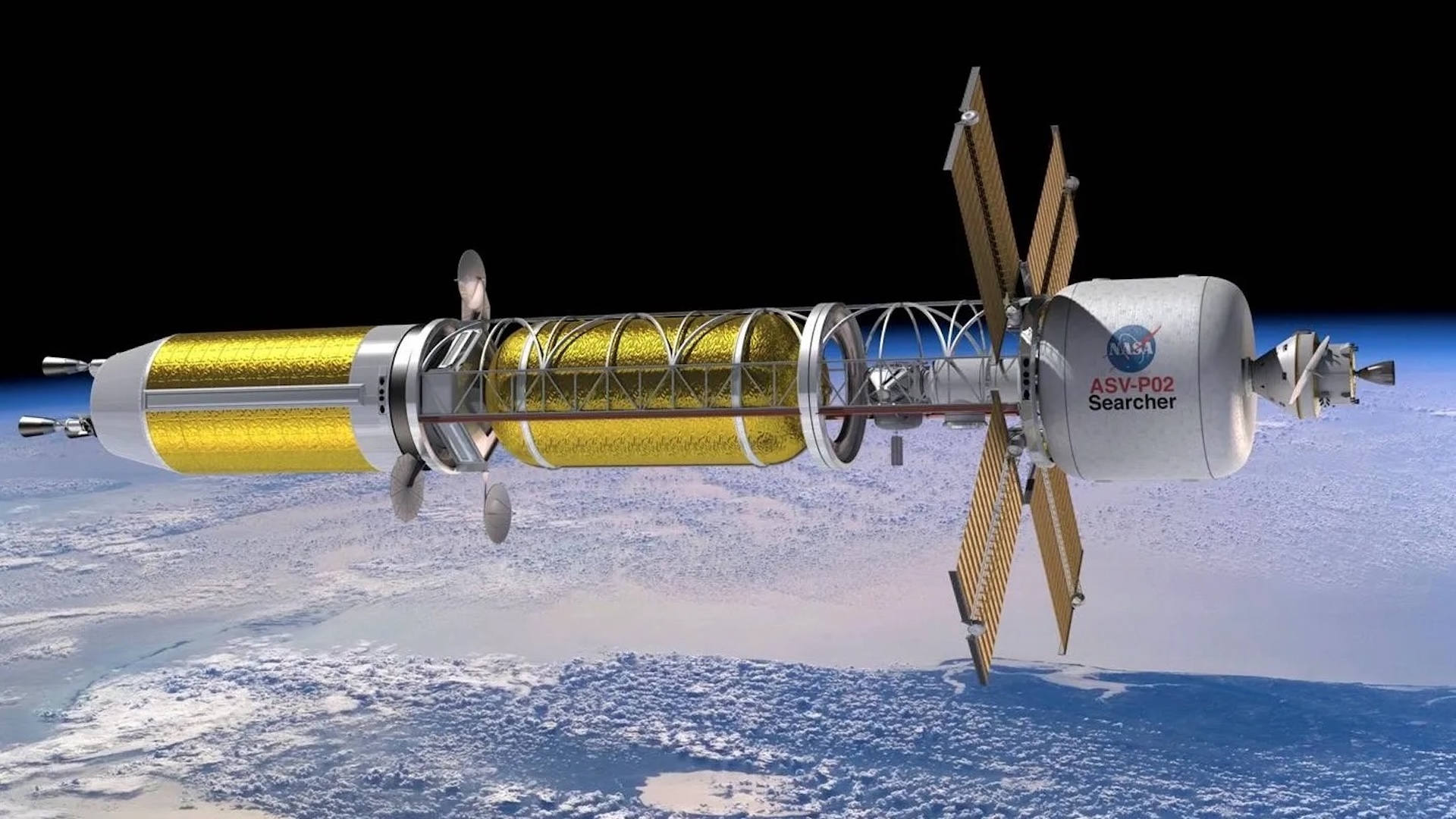
Read original articleMIT master’s student Taylor Hampson is advancing research on nuclear thermal propulsion (NTP) rockets through a NASA-sponsored initiative, aiming to significantly improve space travel to Mars. NTP systems use nuclear energy to heat a propellant like hydrogen to extremely high temperatures, producing thrust with twice or more the efficiency of conventional chemical rockets. This increased efficiency, measured as specific impulse, could reduce Mars transit times from the current seven to eight months to roughly half, thereby lowering astronauts’ exposure to harmful microgravity and cosmic radiation during long-duration missions.
Hampson’s work involves modeling the entire NTP engine system—including tanks, pumps, and other components—to understand the complex interactions of temperature, pressure, thermodynamics, and neutronics. His approach uses a simplified one-dimensional model to speed simulations while capturing critical system-wide effects. Key challenges include managing rapid temperature spikes during engine startup, which risk material failure, and handling residual decay heat during shutdown. Despite the technical promise, the high development costs and lack of
Tags
energynuclear-propulsionMars-rocketsspace-explorationnuclear-thermal-propulsionrocket-efficiencyNASA