
How engineered environments are reshaping the earliest stages of human development
Source: interestingengineering
Author: @IntEngineering
Published: 3/28/2026
To read the full content, please visit the original article.
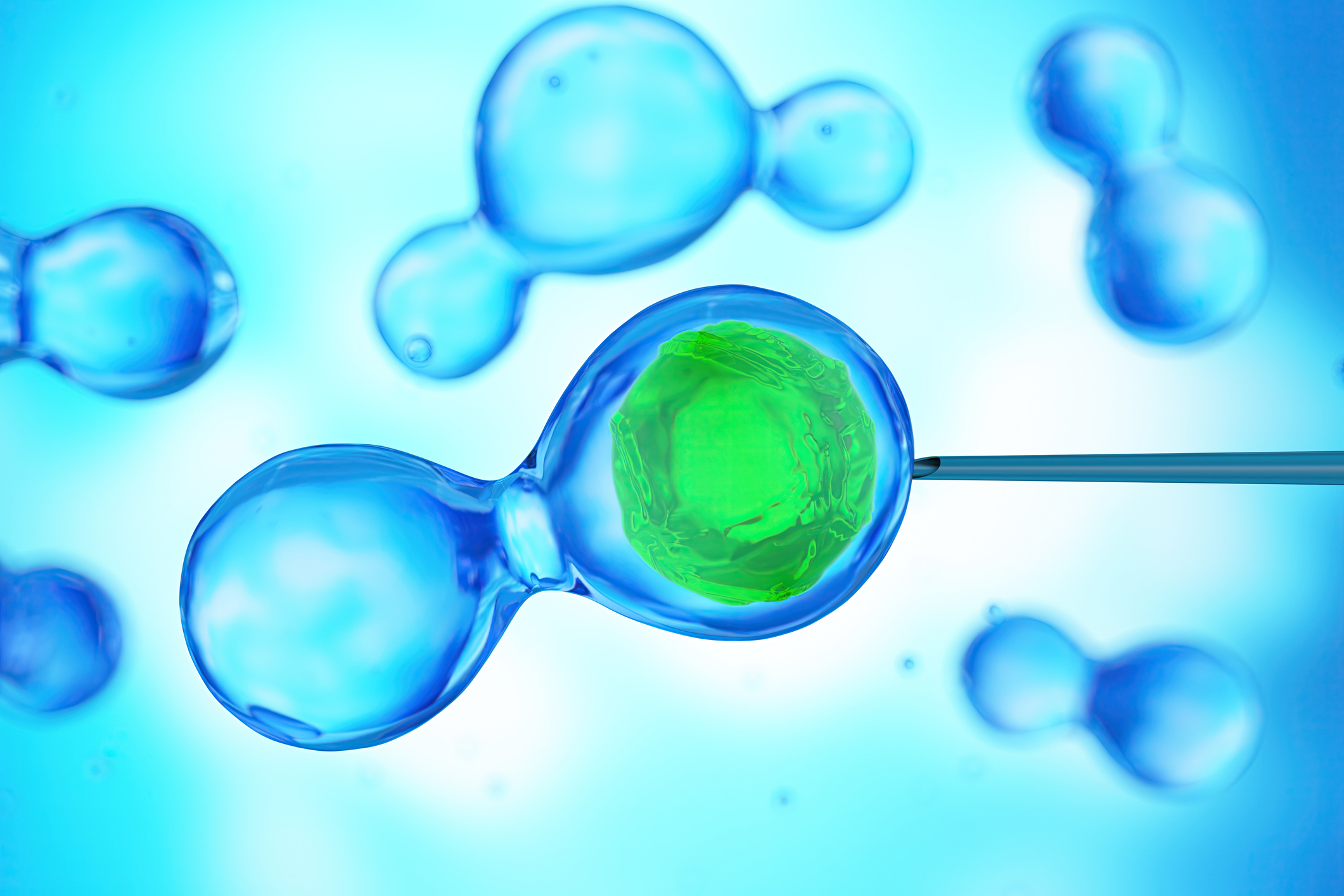
Read original articleThe article discusses advances in engineered environments that are transforming the earliest stages of human development research through synthetic embryo models and artificial womb systems. Synthetic embryo models, such as blastoids and gastruloids, are stem cell-derived structures that replicate key stages of mammalian embryogenesis in vitro without using actual embryo tissue. Blastoids mimic blastocyst development, forming a blastocoel cavity and three main cell types within a week, while gastruloids develop body axis and organ primordia structures through symmetry-breaking and germ layer formation. These models are cultivated under tightly controlled conditions using microwells, micropatterned substrates, and microfluidic chips to regulate cell aggregation, positioning, and morphogen gradients. Allowed up to 14 days of culture under ISSCR guidelines, these engineered embryos provide a novel platform to study implantation, morphogenesis, and congenital defects without ethical concerns linked to human embryos.
Complementing these synthetic embryos, artificial womb systems aim to extend gestation ex vivo by replicating the uter
Tags
materialssynthetic-embryosartificial-wombmicrofluidicsstem-cell-engineeringbiomedical-engineeringtissue-engineering