
How nuclear propulsion shaped early interstellar vehicle design
To read the full content, please visit the original article.
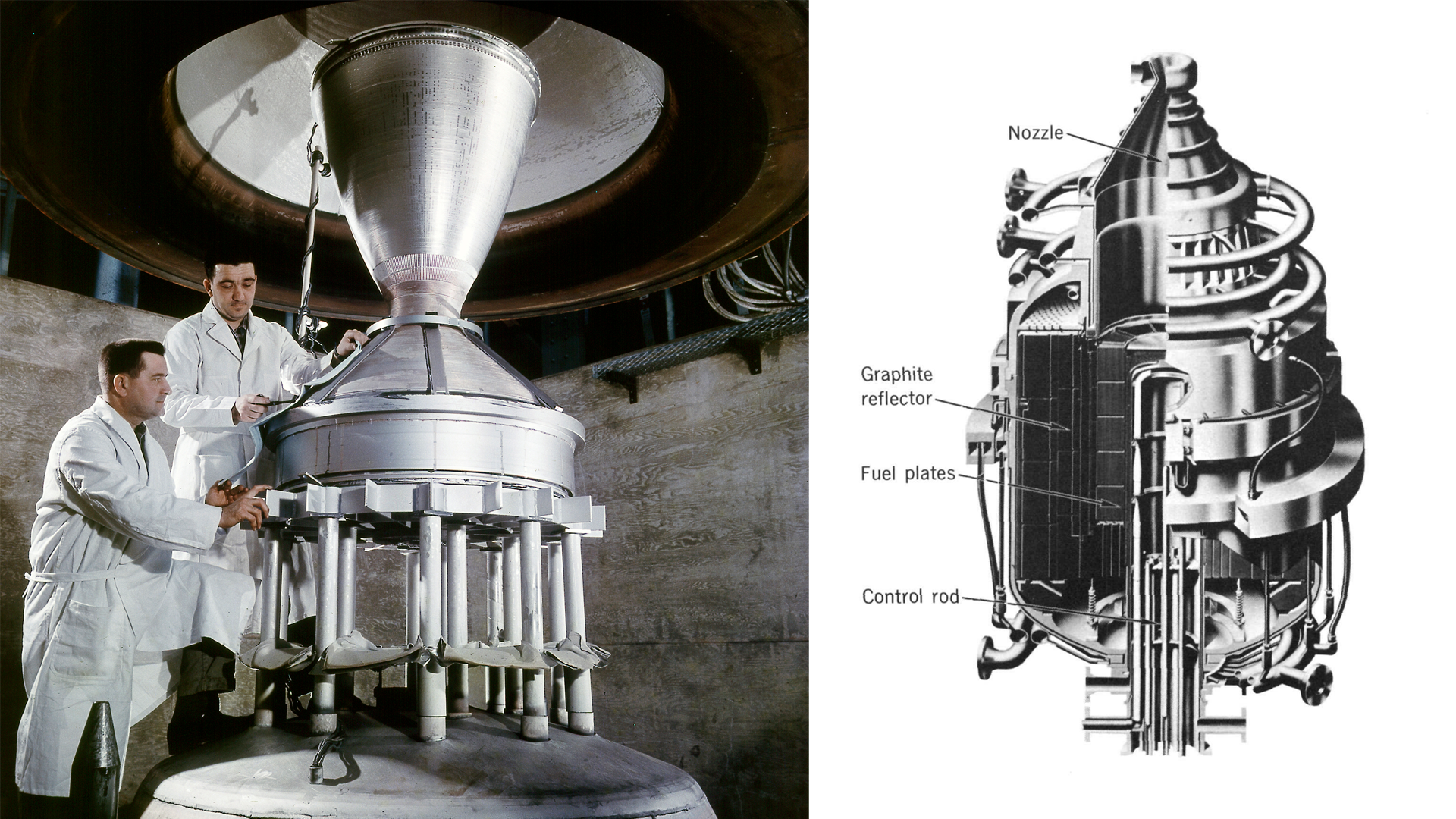
Read original articleThe article explores how nuclear propulsion technologies influenced the early design of interstellar spacecraft, particularly during the Cold War era. With the realization that the Milky Way contains hundreds of billions of stars and potentially up to a trillion planets, scientists began seriously considering interstellar travel. Early spacecraft concepts from the mid-20th century were large, ambitious, and costly, but over time designs have shifted toward smaller, automated probes requiring minimal human intervention. The Cold War period (1950–1963) was pivotal, as breakthroughs in nuclear fission and fusion reactors spurred efforts by the U.S. and USSR to develop nuclear rocket propulsion systems.
Three main categories of nuclear propulsion emerged: External Nuclear Rockets (ENRs), which use nuclear explosions outside the spacecraft to generate thrust but produce hazardous radiation; Internal Nuclear Rockets (INRs), which use a contained fission reactor to heat propellant or generate electricity but lack the power to escape the Solar System; and Fission-Fragment Rockets (FFRs), which use
Tags
energynuclear-propulsioninterstellar-spacecraftspace-technologyfusion-reactorsrocket-enginesspace-exploration