
Inside the engineering of electric roads that could transform EVs
Source: interestingengineering
Author: @IntEngineering
Published: 11/7/2025
To read the full content, please visit the original article.
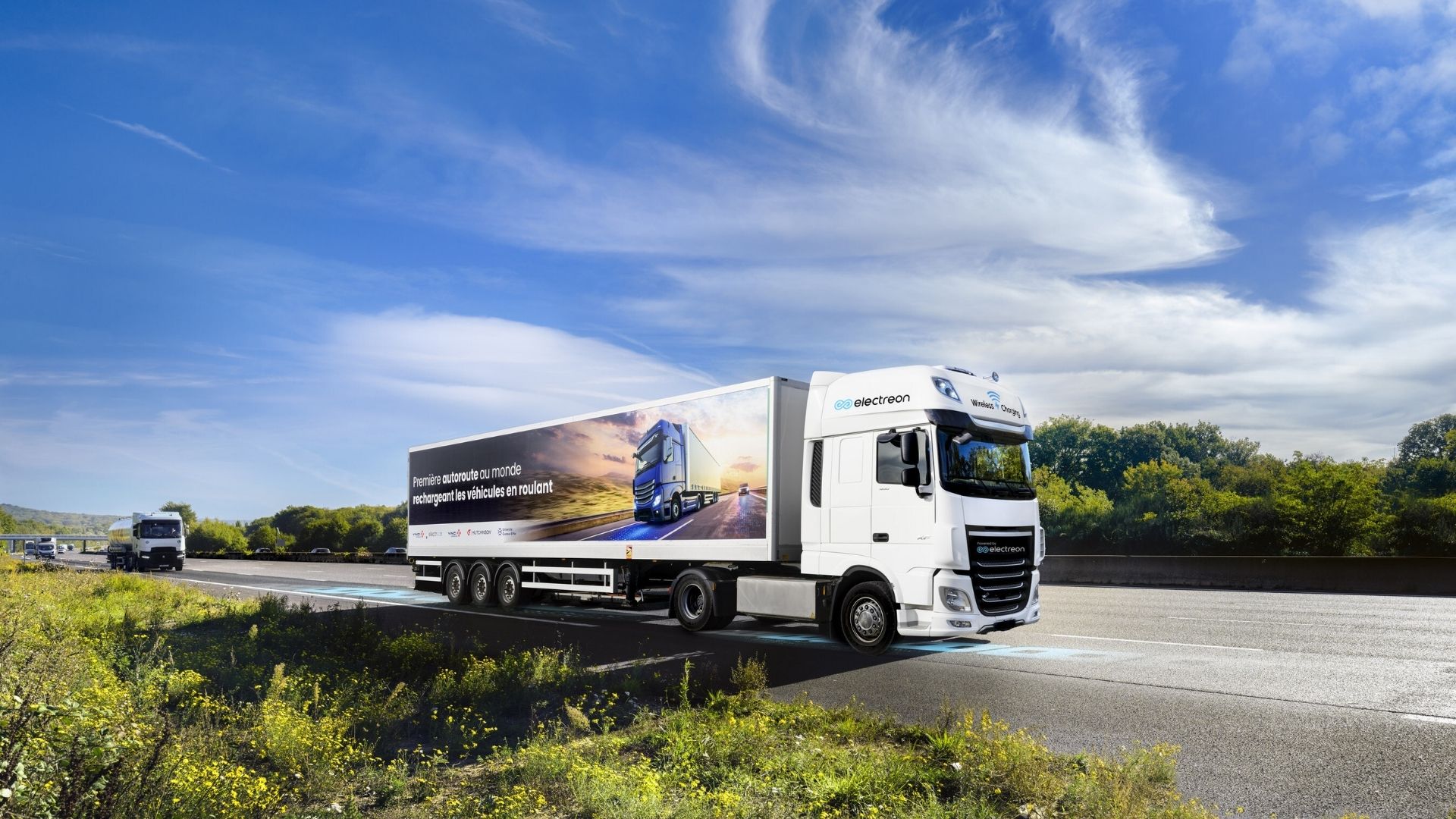
Read original articleElectric roads, which enable electric vehicles (EVs) to charge dynamically while driving via inductive or conductive systems embedded in roadways, represent a promising advancement for next-generation transport. These systems allow vehicles equipped with compatible receivers to draw power continuously, reducing reliance on large onboard batteries. Notably, France’s A10 motorway project, using Electreon’s technology, has demonstrated the feasibility of this approach with peak power outputs exceeding 300 kW, sufficient to charge heavy trucks, buses, and passenger cars at full speed. This dynamic charging can lower vehicle weight and upfront costs, increase cargo capacity for freight operators, and significantly reduce transport emissions, especially when powered by renewable energy.
Despite these benefits, widespread adoption of electric road systems (ERS) faces substantial challenges. The high cost of installation—estimated at €30–€40 billion for a nationwide rollout in France—along with infrastructure demands such as road resurfacing, power grid upgrades, and new metering systems, complicate deployment. Technical hurdles remain
Tags
energyelectric-vehicleselectric-roadsdynamic-chargingrenewable-energytransportation-infrastructurewireless-power-transfer