
Iran's missile power and Hormuz disruption raise global energy stakes
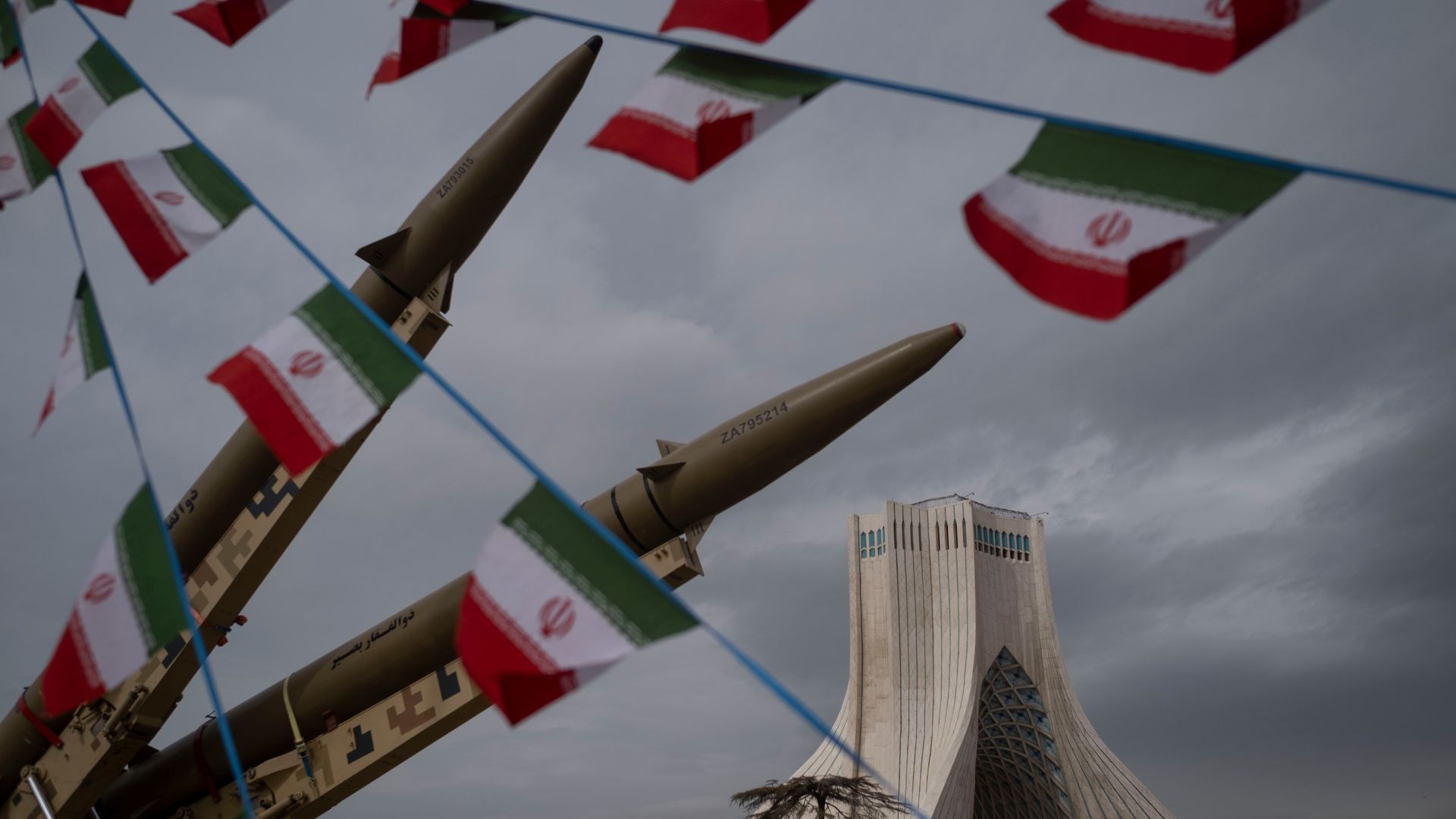
Source: interestingengineering
Author: @IntEngineering
Published: 3/3/2026
To read the full content, please visit the original article.
Read original articleThe reported killing of Iran’s Supreme Leader Ayatollah Ali Khamenei in U.S. and Israeli airstrikes marks a critical escalation in the conflict, forcing Tehran to choose between measured retaliation and broader regional warfare. Despite significant damage, Iran’s Islamic Revolutionary Guard Corps (IRGC) remains a potent threat, possessing hundreds to thousands of domestically produced short- and mid-range missiles and drones capable of striking U.S. and allied bases across the Middle East, including in Qatar, Bahrain, the UAE, Iraq, and potentially Israel. Historically, Iran’s retaliatory strikes have been limited in casualties, but with Khamenei’s death, the IRGC may adopt a more aggressive posture, potentially employing saturation missile attacks that could overwhelm defenses, disrupt critical infrastructure, and escalate regional tensions.
A key strategic focus for Iran is the Strait of Hormuz, a vital chokepoint through which 20-25% of global oil trade passes daily. Iran has long threatened to disrupt this waterway,
Tags
energymissile-technologyIranStrait-of-Hormuzoil-trademilitary-conflictregional-security