
Japan turns to manganese oxide for better lithium-ion batteries
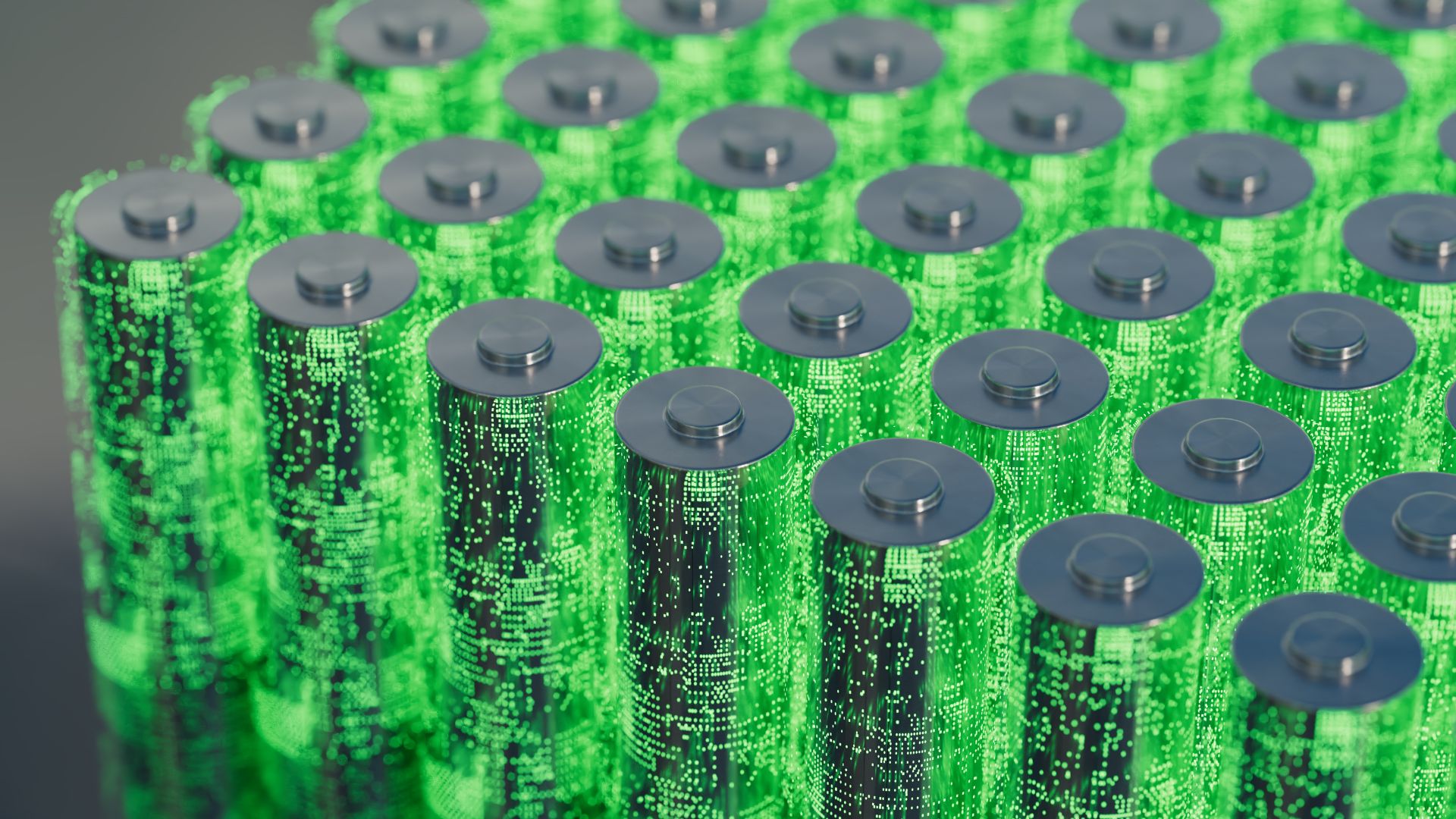
Source: interestingengineering
Author: @IntEngineering
Published: 2/26/2026
To read the full content, please visit the original article.
Read original articleScientists at Tohoku University’s Advanced Institute for Materials Research (WPI-AIMR) in Japan have developed a manganese-rich oxide cathode for lithium-ion batteries that demonstrates nearly perfect cycling stability, marking a significant advancement in battery technology. Lithium-ion batteries, critical for renewable energy storage and electric vehicles, traditionally rely on cobalt in their cathodes, which is costly and associated with unethical mining practices. By switching to manganese, an abundant and inexpensive element, the researchers aim to reduce costs and environmental impact. However, manganese-based cathodes have historically suffered from Jahn-Teller (JT) distortions, which cause structural instability and degrade battery performance.
To overcome this, the team employed a novel approach called “interfacial orbital engineering,” targeting the atomic-level electronic structure to neutralize JT distortions. Unlike previous methods that used doping or coatings, this technique manipulates the electronic orbital topology at non-collinear interfaces, creating “orbital geometric frustration” that prevents energy-lowering distortions. This
Tags
energylithium-ion-batteriesmanganese-oxidebattery-materialscathode-technologyenergy-storagematerials-science