
Laser-powered optofluidics expand 3D microprinting to metals
Source: interestingengineering
Author: @IntEngineering
Published: 1/29/2026
To read the full content, please visit the original article.
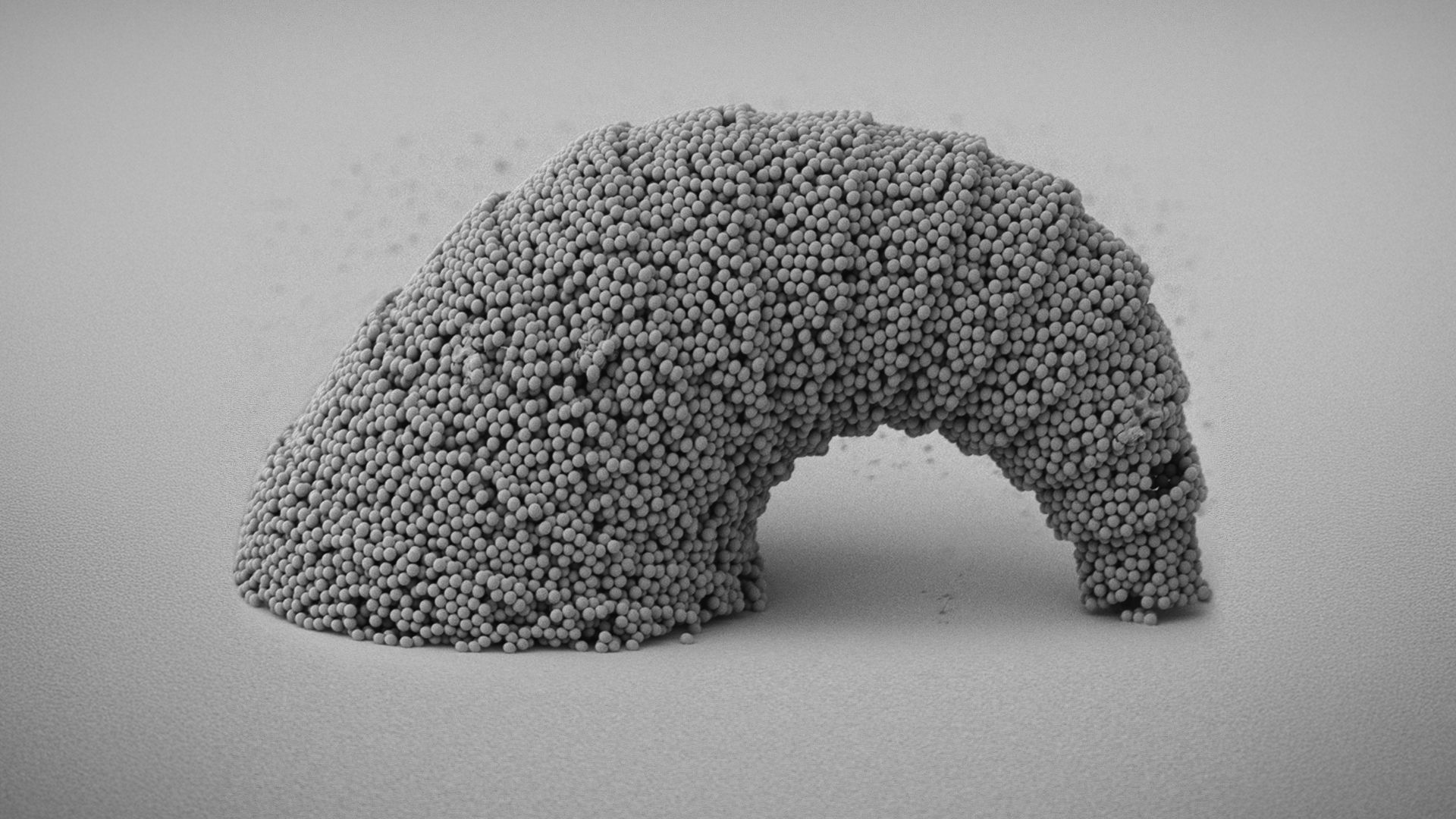
Read original articleResearchers from the Max Planck Institute for Intelligent Systems and the National University of Singapore have developed a novel laser-powered optofluidic technique that significantly expands 3D microprinting capabilities beyond traditional polymer-based materials. While two-photon polymerization has enabled precise micro- and nanoscale fabrication, it has been limited to polymers, restricting applications that require metals, semiconductors, or other functional materials. The new method uses a femtosecond laser to create localized temperature gradients in a fluid containing suspended microscopic particles, driving fluid flow that guides these particles into prefabricated polymer micromolds. After assembly, the polymer mold is removed, leaving free-standing 3D structures made entirely from the chosen materials.
Unlike chemical bonding, the assembled particles are held together by physical forces such as van der Waals interactions, providing mechanical stability without additional chemical processes. This approach allows for precise control over particle placement and accumulation, enabling the fabrication of complex shapes dictated by the mold geometry. Demonstrations include micro
Tags
materials3D-microprintingoptofluidicslaser-fabricationnanotechnologymicrofabricationmetals