
Liquid-based cooling beats limits of solid-state refrigeration
Source: interestingengineering
Author: @IntEngineering
Published: 1/22/2026
To read the full content, please visit the original article.
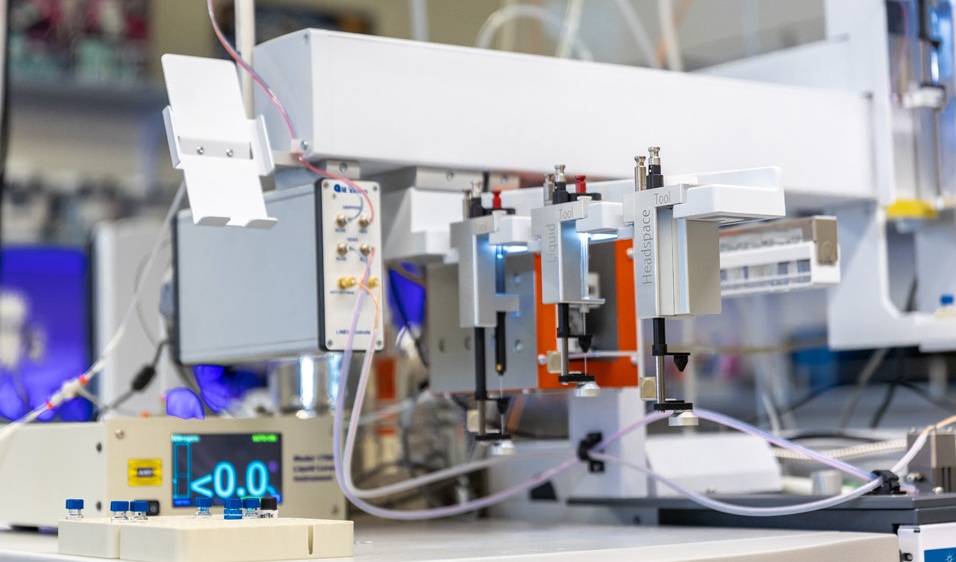
Read original articleResearchers at the Chinese Academy of Sciences, led by Prof. Li Bing, have developed a novel refrigeration method based on the dissolution barocaloric effect that promises zero carbon emissions and improved cooling efficiency. Traditional refrigeration systems, which rely on vapor-compression, contribute significantly to global carbon emissions, while solid-state cooling—though environmentally friendlier—has been limited by poor heat transfer. The new approach overcomes this by integrating solid cooling effects with liquid flow, using the salt ammonium thiocyanate dissolved in water. Applying pressure causes the salt to precipitate, enabling a reversible cycle that produces continuous cooling with efficient heat transfer, combining refrigerant and heat-transfer medium in a single flowing liquid.
Laboratory tests demonstrated remarkable performance, with temperature drops of nearly 30 kelvins in 20 seconds at room temperature and up to 54 kelvins at higher temperatures, surpassing existing solid-state barocaloric materials. Simulations indicated a cooling capacity of 67 joules per gram and an efficiency
Tags
energyrefrigerationcooling-technologybarocaloric-materialscarbon-emissions-reductionheat-transfersustainable-cooling