
MIT designs nanotubes to protect spaceflight from intense radiation
Source: interestingengineering
Author: @IntEngineering
Published: 3/11/2026
To read the full content, please visit the original article.
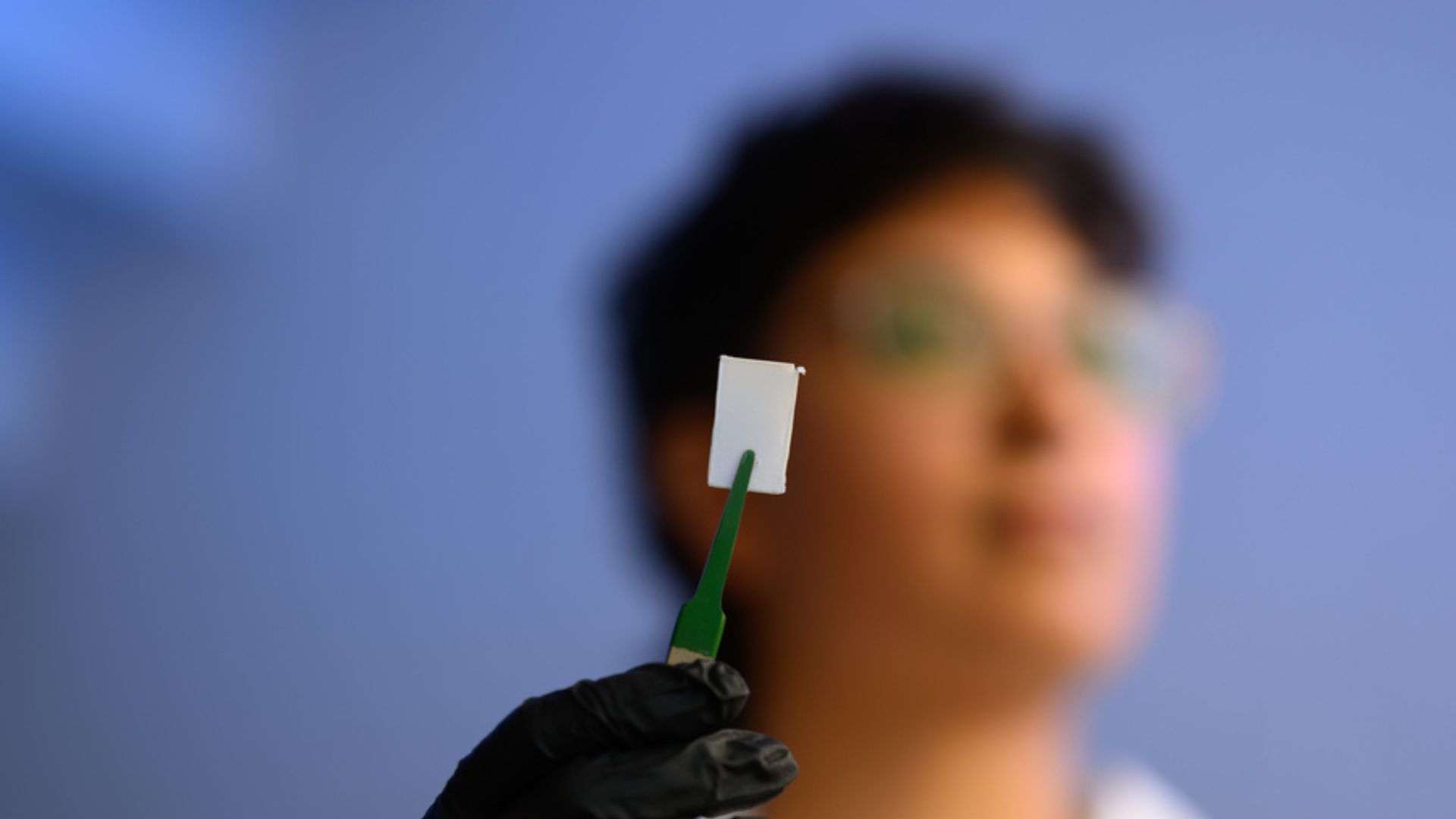
Read original articleMIT doctoral student Palak Patel is advancing nanotechnology to address the critical challenge of ionizing radiation in long-term space exploration. Her research centers on Boron Nitride Nanotubes (BNNTs), tiny hollow cylinders known for their durability and adaptability, which can be integrated into aerospace composites to provide superior radiation shielding. Unlike conventional aluminum spacecraft hulls that produce harmful secondary neutrons upon radiation impact, BNNT-enhanced composites offer lightweight yet robust protection without compromising structural integrity. Patel’s novel synthesis method significantly increases BNNT concentration in composites from the previous 10 percent to up to 50 percent by weight, marking a major breakthrough for deep-space mission materials.
Patel’s work has already progressed beyond the lab, with BNNT samples successfully tested in microgravity during a parabolic flight and currently aboard the International Space Station. She is also developing materials to improve thermal protection during atmospheric re-entry and to counteract the abrasive and electrostatic effects of lunar dust, drawing on lessons from Apollo missions. Inspired
Tags
nanotubesboron-nitride-nanotubesspace-radiation-protectionnanocompositesaerospace-materialsradiation-shieldingspace-exploration-materials