
MIT study could unlock next-gen cooling for nuclear cores, spacecraft
Source: interestingengineering
Author: @IntEngineering
Published: 11/3/2025
To read the full content, please visit the original article.
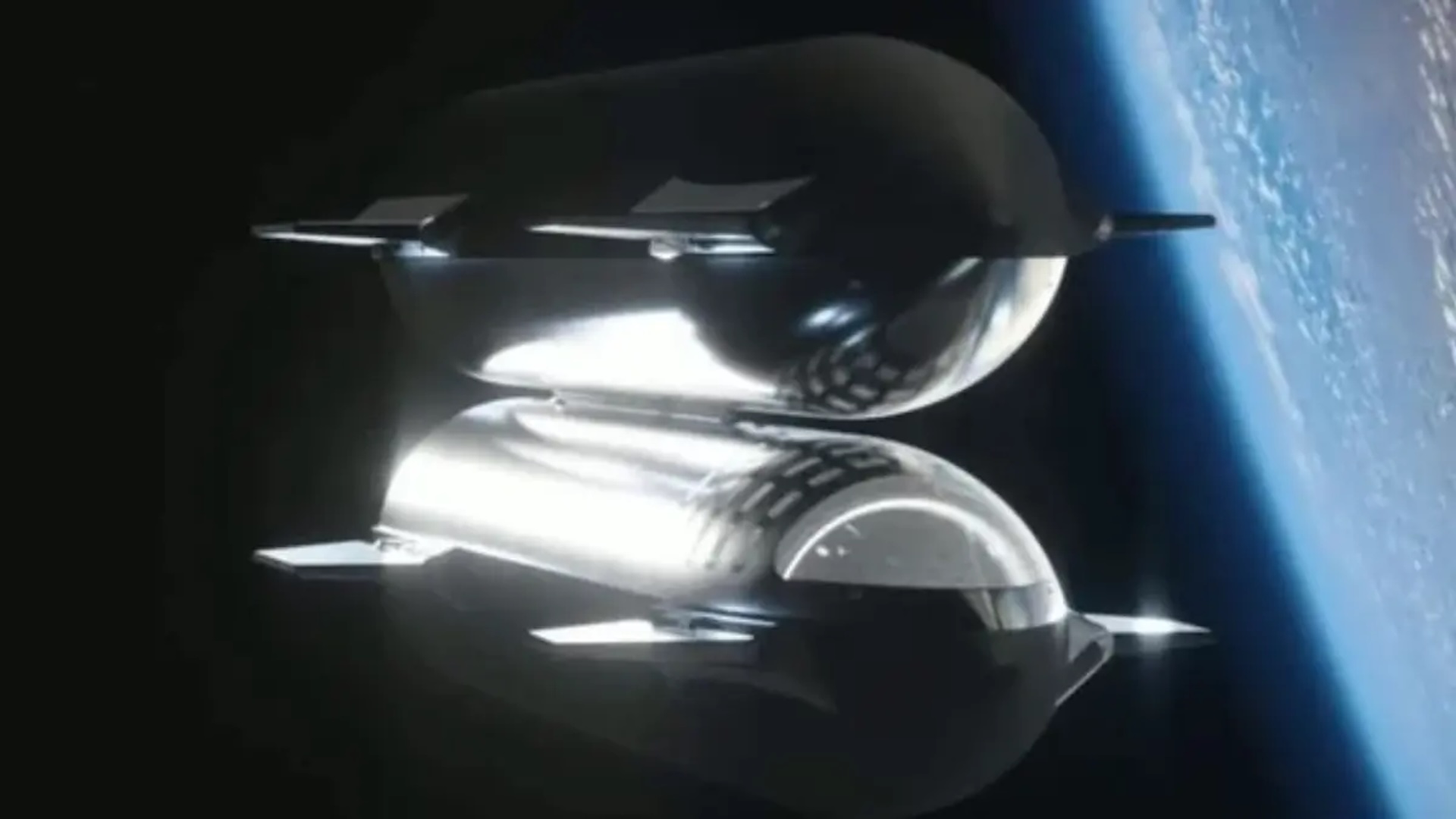
Read original articleMIT doctoral candidate Marco Graffiedi is researching advanced cooling techniques that could revolutionize thermal management in next-generation nuclear reactors and spacecraft. His work focuses on enhancing the quenching process—a highly efficient heat transfer method—by accelerating the collapse of the insulating vapor film known as the Leidenfrost effect during cryogenic cooling. This advancement aims to enable faster and more efficient in-orbit refueling, addressing a critical challenge faced by NASA and SpaceX, particularly in preventing cryogenic fuel boiloff that leads to fuel loss and tank overpressurization during space missions.
Beyond space applications, Graffiedi’s research also explores immersion cooling for data centers using dielectric fluids, which currently have lower critical heat flux (CHF) than water. He demonstrated that applying high electric fields can increase CHF and enable gravity-independent boiling, which is crucial for cooling in electric vehicles and high-performance computing environments. Efficient cooling solutions are increasingly important due to rising energy demands driven by AI and data processing, with some proposing orbital data
Tags
energynuclear-reactorsspacecraft-coolingcryogenic-fuelthermal-managementin-orbit-refuelingdata-center-cooling