
Natural mineral locks toxic chromium, helps store carbon in soils
Source: interestingengineering
Author: @IntEngineering
Published: 2/18/2026
To read the full content, please visit the original article.
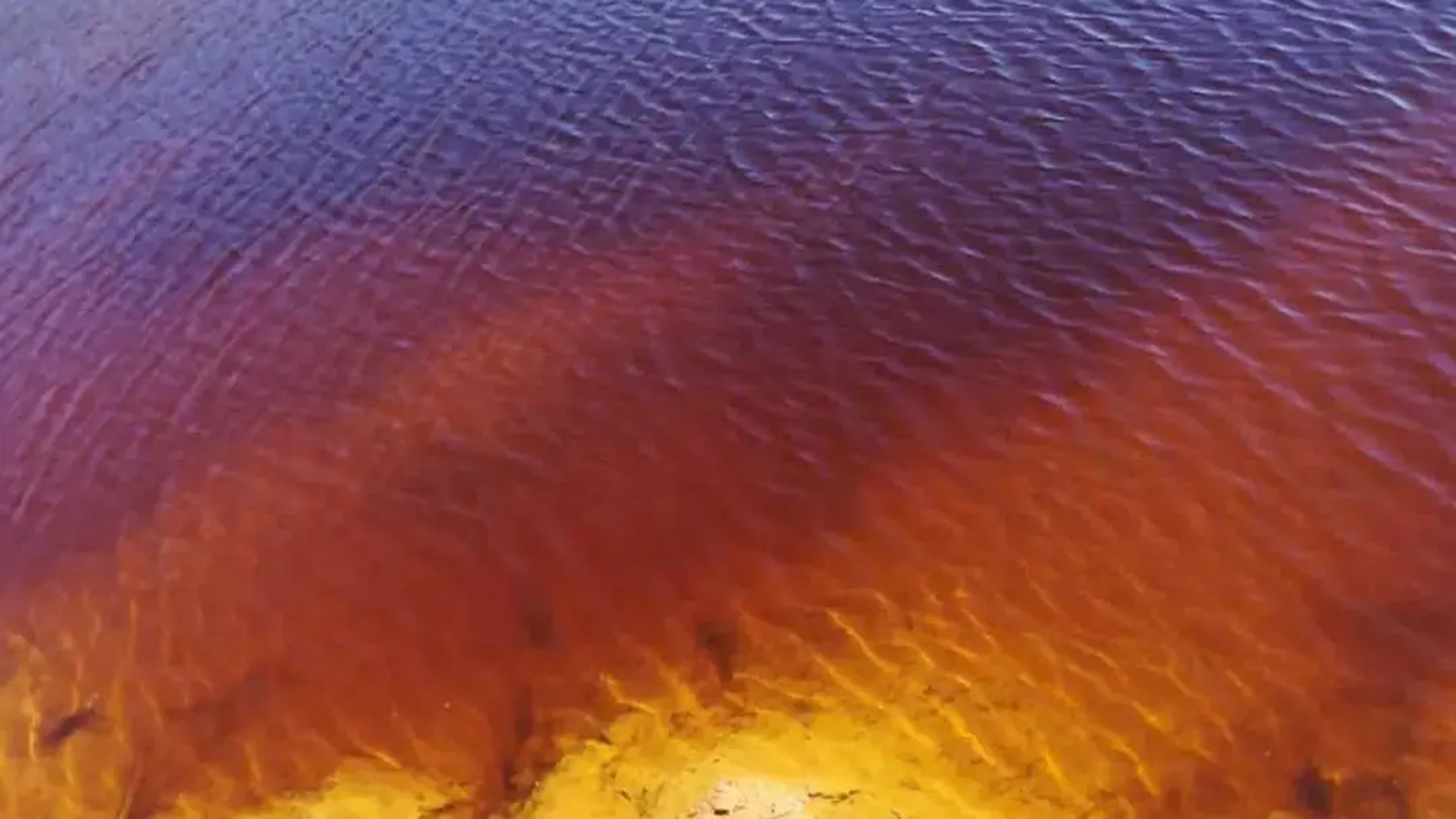
Read original articleScientists led by Professor Bin Dong at Tongji University have identified ferrihydrite, a naturally occurring low-crystallinity iron mineral, as highly effective in immobilizing toxic hexavalent chromium (Cr(VI)) in contaminated soils. Unlike more crystalline iron minerals such as goethite and hematite, ferrihydrite’s poorly ordered structure and reactive surface enable it to bind dissolved organic matter and chromium directly, facilitating a surface-first reduction and stabilization process. This mineral uses multiple binding mechanisms—electrostatic adsorption, ligand exchange, and lattice incorporation—to securely lock chromium and carbon, thereby reducing chromium mobility and the risk of groundwater contamination.
In addition to chromium immobilization, the interaction between organic matter and ferrihydrite also helps store carbon by limiting its breakdown and release as carbon dioxide, offering a dual benefit of pollution cleanup and carbon sequestration. Laboratory and real soil leaching experiments confirmed these effects, supported by advanced analytical techniques like ultra-high-resolution mass spectrometry and electron microscopy. The findings
Tags
materialsenvironmental-remediationchromium-contaminationiron-mineralscarbon-capturesoil-cleanupferrihydrite