
New microsensors for nuclear reactors can endure 1,832°F, radiation
Source: interestingengineering
Author: @IntEngineering
Published: 10/28/2025
To read the full content, please visit the original article.
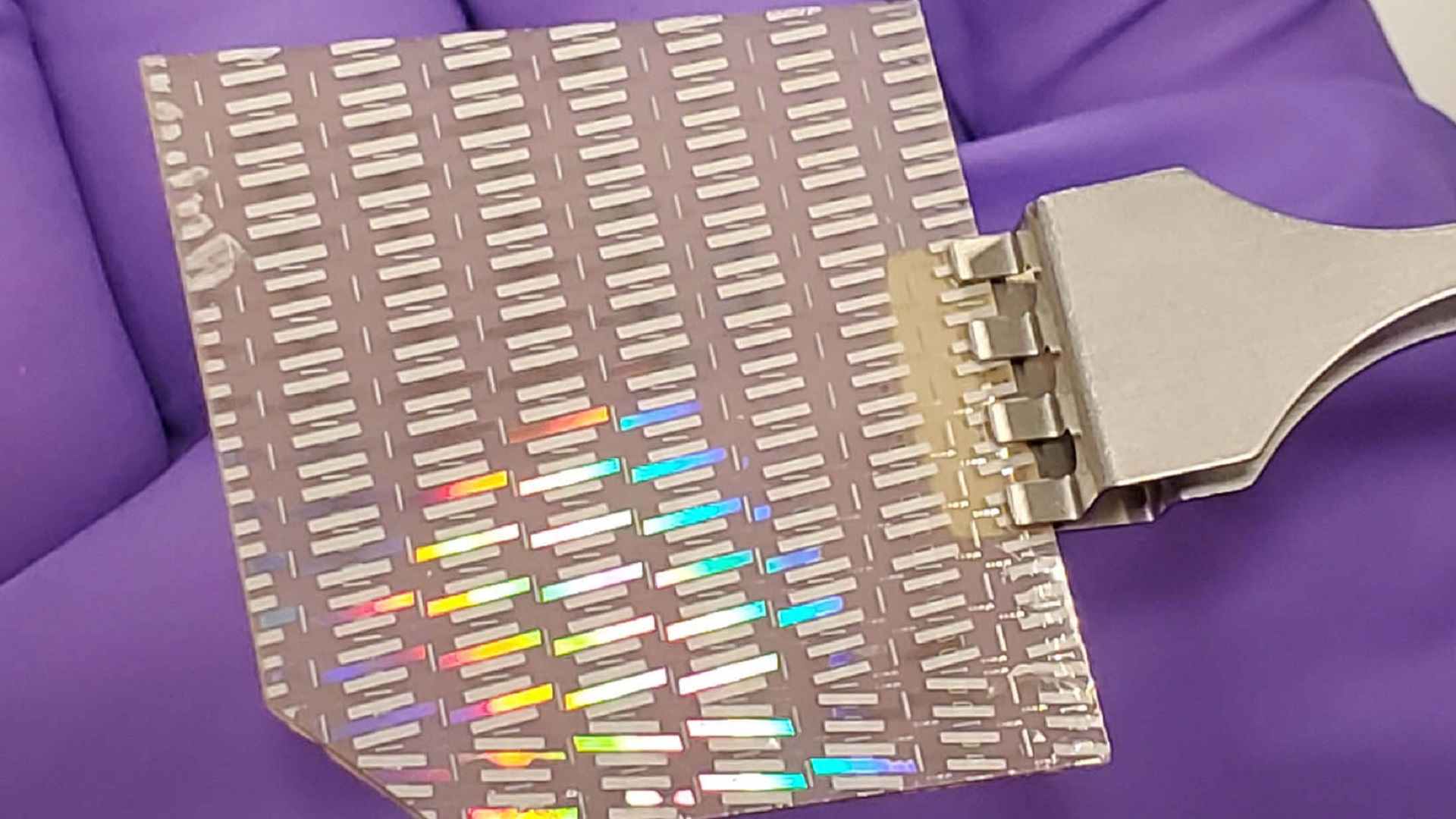
Read original articleResearchers at the University of Maine have developed innovative microelectronic sensors capable of withstanding extreme conditions inside advanced nuclear reactors, including temperatures up to 1,832°F (1,000°C) and intense nuclear radiation. These sensors represent a significant advancement over existing commercial sensors, which cannot operate reliably at such high temperatures. The new microchips can measure critical reactor parameters like power output and neutron flux in real time, enabling faster issue detection and reducing maintenance costs for nuclear power plants, which supply about 20% of the U.S. energy.
After two years of development and extensive testing, including a successful week-long trial at Ohio State University’s Nuclear Research Laboratory, the sensors demonstrated stable performance under simultaneous high heat and radiation exposure. The research team plans to enhance the technology further by incorporating wireless connectivity powered solely by interrogation signals, eliminating the need for batteries. This breakthrough aims to overcome current technological barriers in monitoring advanced reactors, such as microreactors, and positions the University of Maine as a leader in
Tags
energynuclear-reactorsmicrochipssensorshigh-temperature-electronicsradiation-resistant-materialspower-plant-monitoring