
New super steel could protect nuclear reactors from lead corrosion
Source: interestingengineering
Author: @IntEngineering
Published: 12/12/2025
To read the full content, please visit the original article.
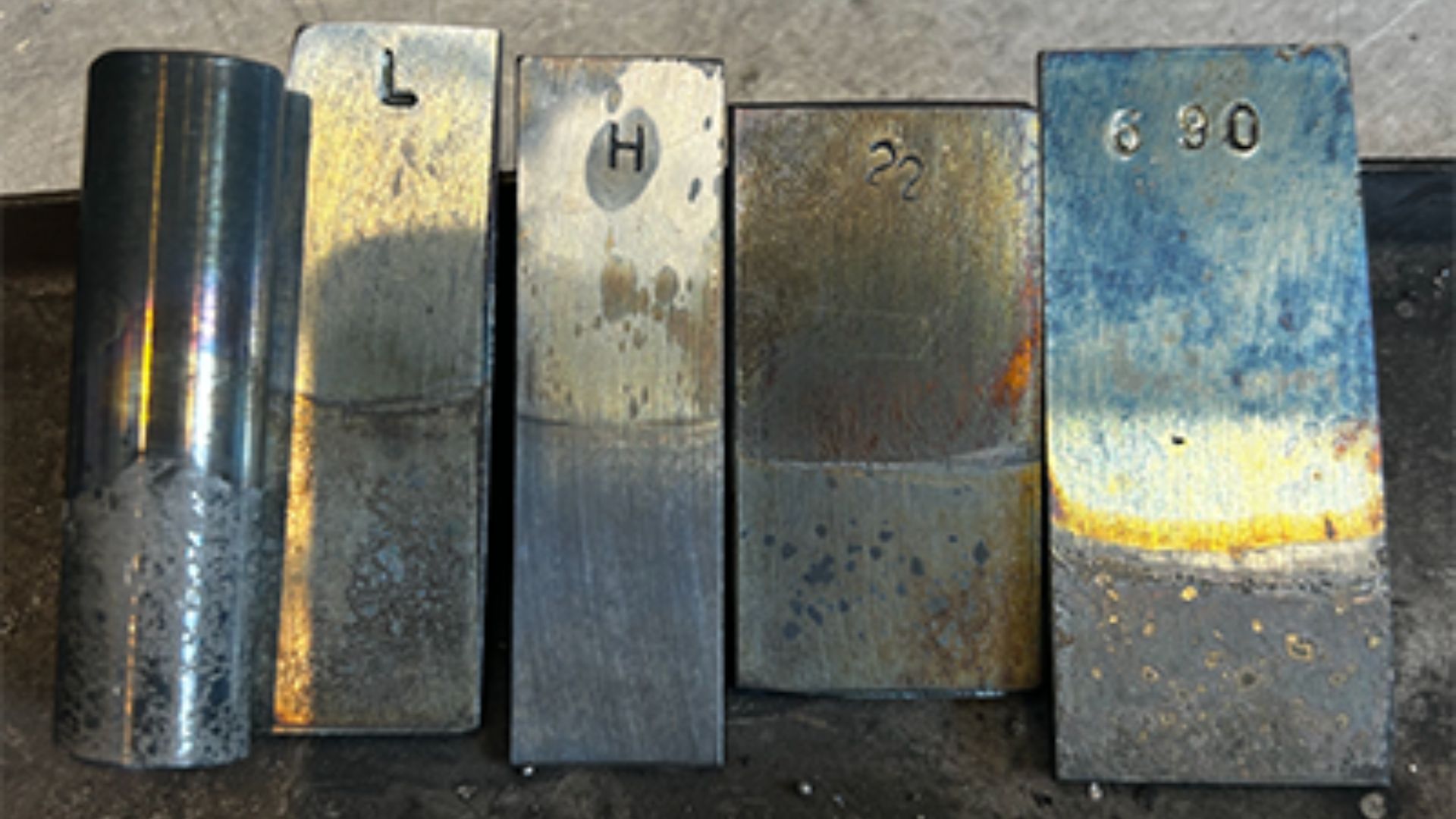
Read original articleA breakthrough study by researchers at KTH Royal Institute of Technology has revealed the rapid and severe corrosion mechanism of AISI 316L stainless steel when exposed to liquid lead at high temperatures (up to 800°C or 1472°F). Contrary to previous assumptions that a protective iron oxide layer forms, the study found that an ultra-thin liquid lead film—only one micron thick—triggers nickel leaching from the steel. This nickel dissolves into the lead, leaving behind a weak, porous ferritic structure prone to being eroded by flowing lead coolant, resulting in metal loss measured in millimeters per year rather than microns.
Because this corrosion process fundamentally attacks the steel’s composition, simply modifying the alloy is unlikely to prevent degradation. Instead, the researchers propose a layered composite solution using alumina-forming ferritic steels (FeCrAl), which develop a self-healing alumina (Al2O3) film that resists lead corrosion even at extreme temperatures. When combined with conventional
Tags
materialsstainless-steelcorrosion-resistancenuclear-reactorssuper-steelhigh-temperature-materialsmetal-corrosion