
Op-Ed: What China Did Right—And What India Is Doing Differently - CleanTechnica
Source: cleantechnica
Author: @cleantechnica
Published: 3/18/2026
To read the full content, please visit the original article.
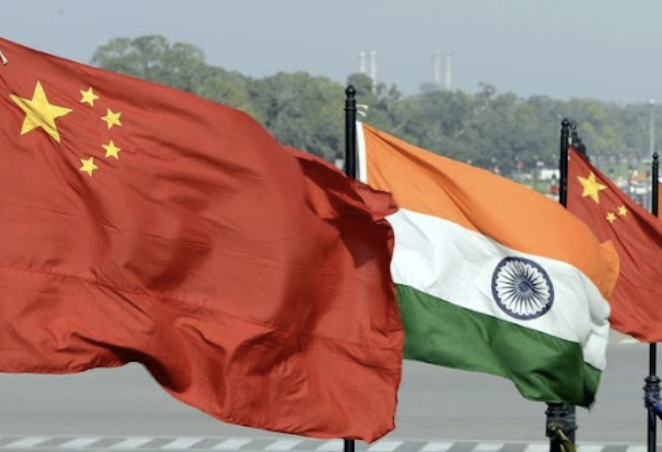
Read original articleThe article contrasts China’s and India’s approaches to electric vehicle (EV) adoption, highlighting how each country’s strategy reflects its political and economic context. China rapidly scaled its EV industry through centralized industrial policy, massive subsidies, and local government coordination starting in the late 2000s. This approach prioritized manufacturing scale, infrastructure development, and platform dominance, enabling China to become the world’s largest EV market and a technology exporter. However, China’s model also led to subsidy dependence, market distortions, and overcapacity, relying heavily on centralized fiscal power that India neither possesses nor politically tolerates.
In contrast, India’s EV transition has been slower and more fragmented but is evolving into a distinct, federally coordinated ecosystem optimized for affordability and mass-market mobility rather than export dominance. India’s strategy leverages a “double-incentive” framework combining central government schemes like PM E-DRIVE and the Production Linked Incentive (PLI) with state-level experimentation and policy innovation. The central government focuses on system
Tags
energyelectric-vehiclesEV-adoptionChina-EV-marketIndia-EV-ecosystembattery-supply-chainclean-energy-transition