
Photos: US site turns Manhattan Project, Cold War-era radioactive waste into stable glass
Source: interestingengineering
Author: Aman Tripathi
Published: 1/31/2026
To read the full content, please visit the original article.
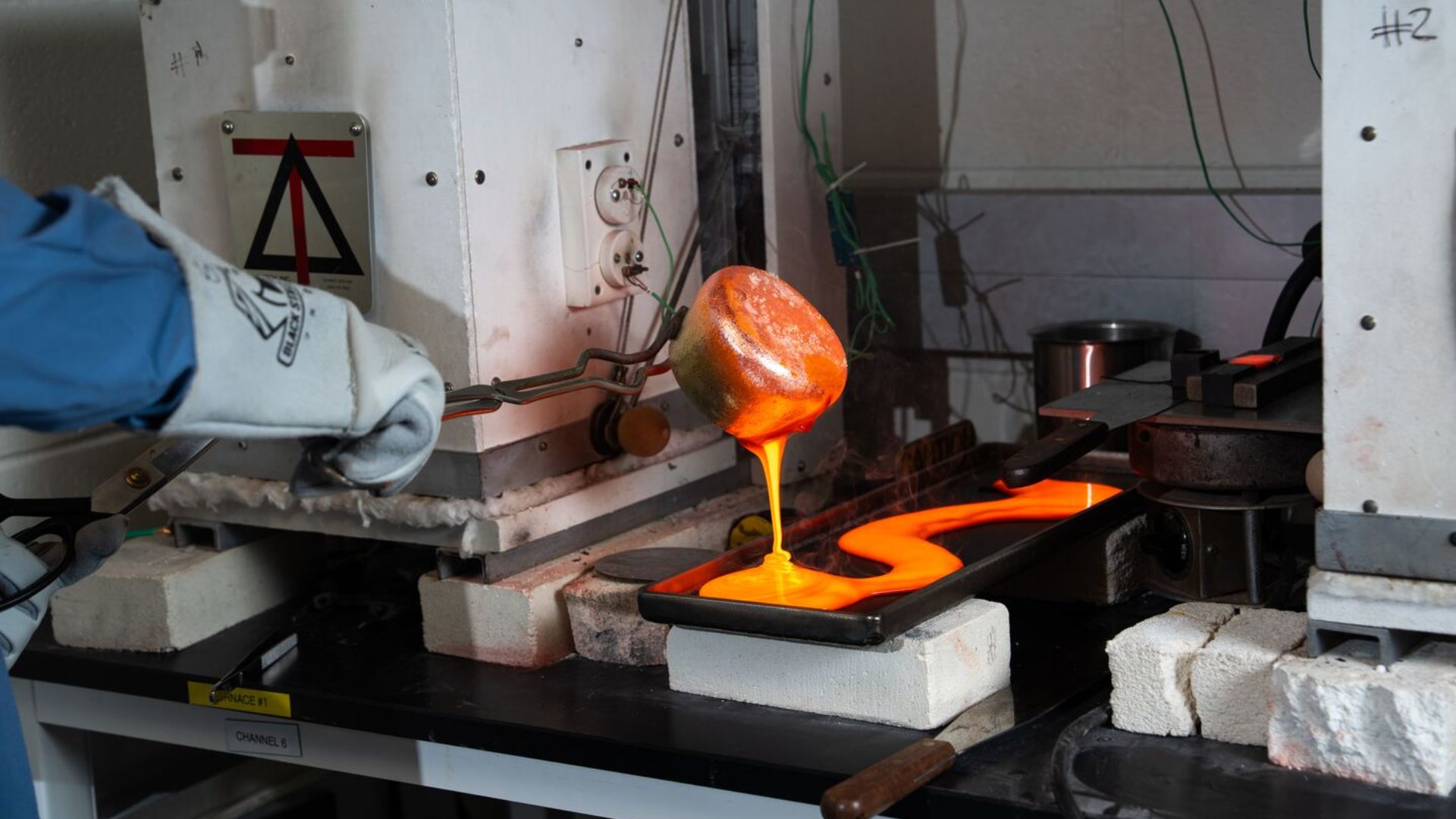
Read original articleThe Hanford Site in the United States has commenced the vitrification of low-activity radioactive waste, a significant milestone in the long-standing environmental cleanup of waste generated during the Manhattan Project and Cold War plutonium production. The Waste Treatment and Immobilization Plant (Vit Plant) converts millions of gallons of hazardous waste into stable glass through a process developed over six decades by Pacific Northwest National Laboratory (PNNL). This vitrification process involves melting the waste with glass-forming chemicals at high temperatures (around 2,100°F), resulting in a durable glass that safely immobilizes radionuclides for thousands of years, facilitating secure long-term storage.
PNNL's extensive research since the 1960s has been critical to this achievement, including the development of the liquid-fed ceramic melter technology now used worldwide. The Hanford Site's waste is chemically diverse, requiring customized glass recipes for each batch to ensure stability and safety. To accelerate this complex process, PNNL created computational models and algorithms that reduce recipe
Tags
energyradioactive-wastevitrificationglass-immobilizationnuclear-waste-treatmentmaterials-scienceenvironmental-cleanup