
Plant-derived nanotech separates heavy rare earths more cleanly
Source: interestingengineering
Author: @IntEngineering
Published: 2/20/2026
To read the full content, please visit the original article.
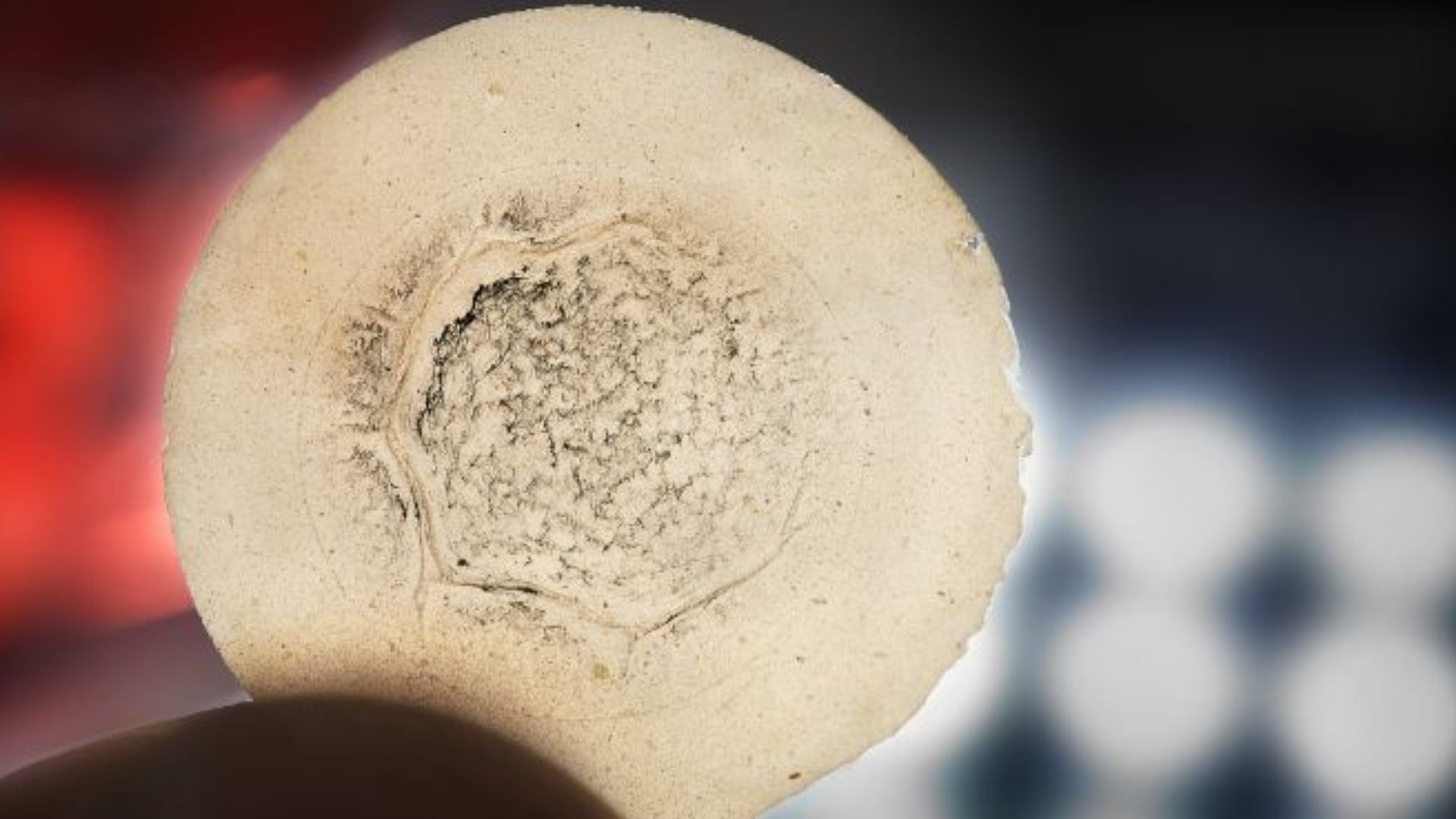
Read original articleResearchers at Penn State have developed a novel plant-based nanomaterial derived from modified cellulose that can selectively recover dysprosium, a critical heavy rare earth element used in semiconductors, electric motors, and nuclear control rods. This material, called anionic hairy cellulose nanocrystals, features nanoscale crystalline structures with chain-like groups that interact uniquely with dysprosium ions, enabling its separation from chemically similar lighter rare earths like neodymium. The process is straightforward, involving simply adding the nanocellulose to a water-based mixture, and offers a cleaner, potentially more scalable alternative to conventional rare earth separation methods, which typically rely on energy-intensive and chemically harsh industrial processes.
The significance of this development lies in addressing the growing demand for dysprosium, projected to increase by over 2,500% in the next 25 years due to its critical role in advanced technologies and renewable energy systems. Unlike previous approaches, the selectivity arises not just from chemical groups but also from their structural
Tags
materialsnanotechnologyrare-earth-elementscellulose-nanocrystalssustainable-materialsheavy-rare-earth-separationclean-technology