
Princeton's new qubit is much like Google's but works 1,000x better
Source: interestingengineering
Author: @IntEngineering
Published: 12/17/2025
To read the full content, please visit the original article.
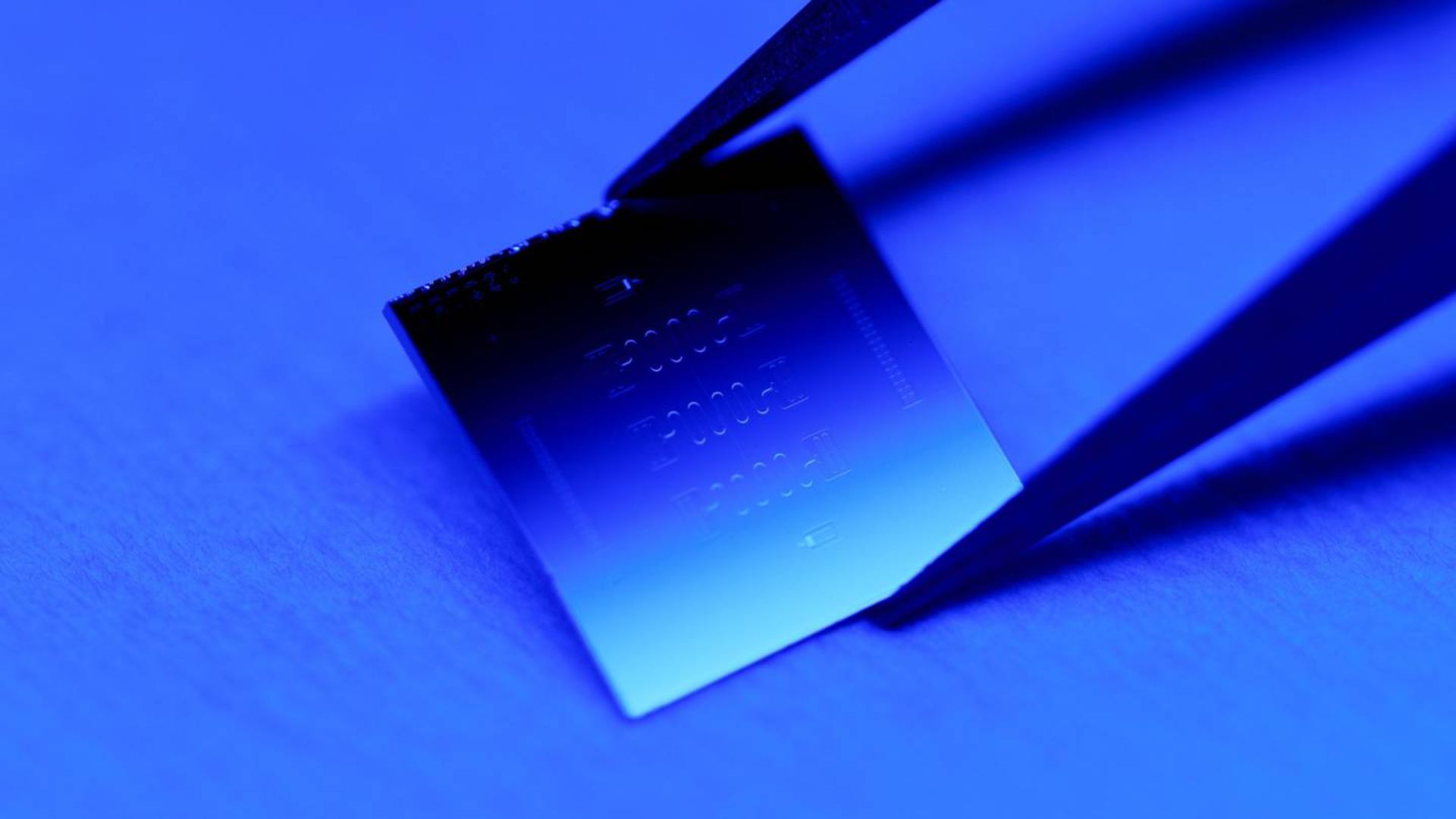
Read original articleResearchers at Princeton University have developed a new superconducting transmon qubit with a coherence time three times longer than previously reported in labs and 15 times better than those used by tech giants Google and IBM. Coherence time—the duration a qubit can reliably hold information—is a critical limitation in quantum computing, as qubit failure leads to errors and hampers complex calculations. The Princeton team, led by Nathalie de Leon and Andrew Houck, improved coherence by changing the qubit’s material composition, using the rare-earth element tantalum for its robustness and resistance to contamination during fabrication.
Initially, the qubit was fabricated on a sapphire substrate, but due to energy loss issues, the team switched to a high-grade silicon substrate, commonly used in modern computing. Despite technical challenges, this change resulted in a transmon qubit with significantly enhanced coherence times. According to Houck, integrating this qubit into Google’s best quantum processor, Willow, could boost its performance by 1,000 times.
Tags
quantum-computingqubitsuperconducting-qubitmaterials-sciencetantalumsilicon-substratecoherence-time