
Robotic exoskeleton uncovers sensory deficits that only 1% of clinicians ever test
Source: interestingengineering
Author: Neetika Walter
Published: 11/20/2025
To read the full content, please visit the original article.
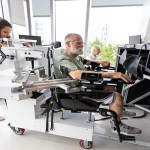
Read original articleA new study from the University of Delaware highlights a critical but often overlooked barrier in stroke recovery: the loss of proprioception, the body's internal sense of limb position and movement. Despite its importance in regaining functional independence, proprioception is rarely assessed in clinical settings—only about 1% of clinicians test for it. The research team, led by Jennifer Semrau and doctoral candidate Joanna Hoh, uses a robotic exoskeleton called KINARM to precisely measure upper-limb movement and isolate sensory deficits from motor impairments. This approach allows detection of proprioceptive loss even when patients cannot move their affected arm, addressing a major challenge in stroke rehabilitation.
The study underscores that proprioceptive deficits vary widely among stroke survivors, with some unable to detect even large arm movements, which can severely impact daily safety and function. Unlike pain or touch, proprioception involves complex brain-muscle signaling that is often disrupted by stroke, yet remains undetected without specialized testing. The researchers emphasize that sensory recovery is
Tags
robotrobotic-exoskeletonstroke-recoveryproprioceptionsensory-deficitsrehabilitation-technologymotion-tracking