
Russia's new strike drone uses fiber cable to beat jamming limits
Source: interestingengineering
Author: @IntEngineering
Published: 3/30/2026
To read the full content, please visit the original article.
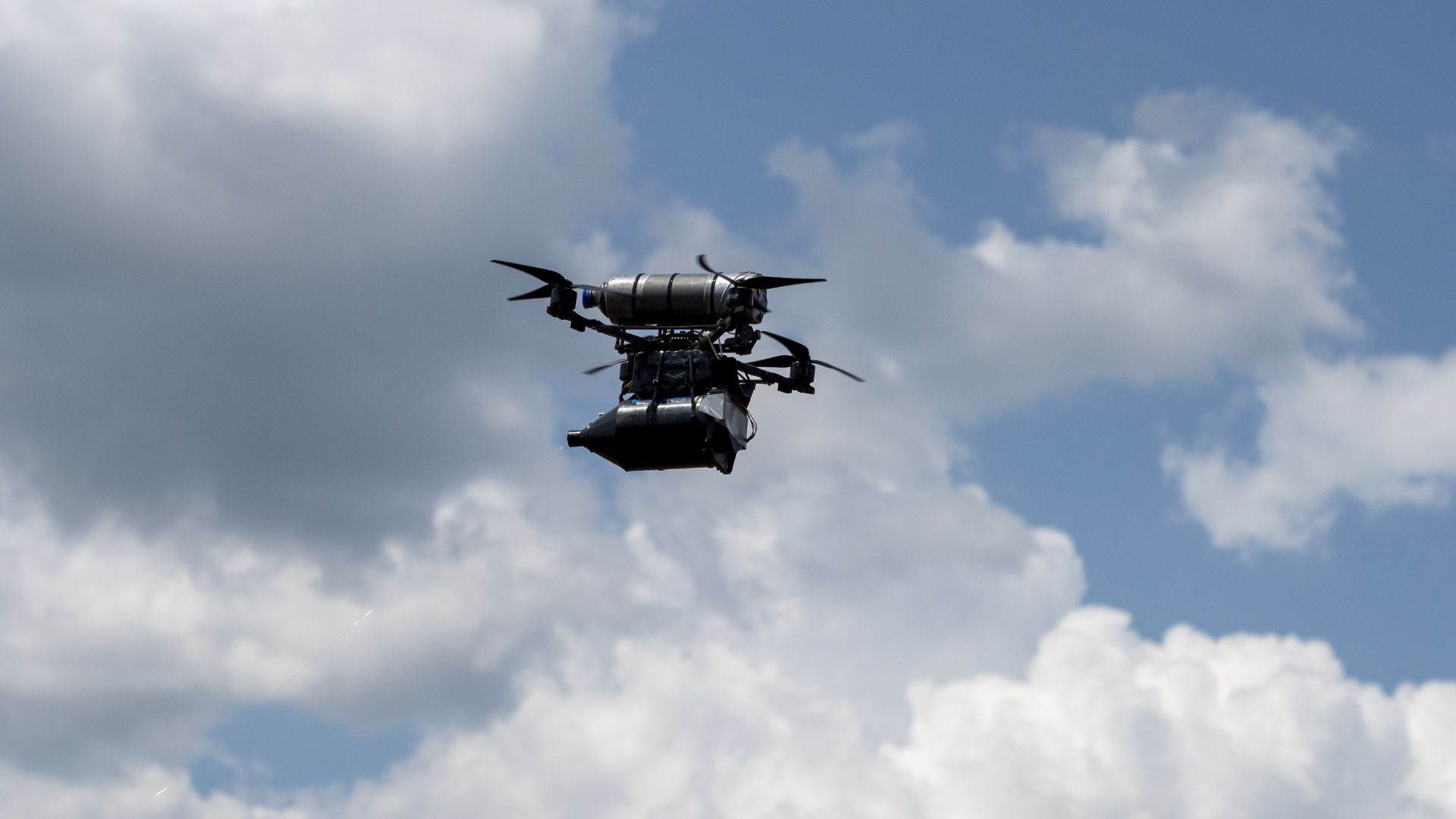
Read original articleRussia has developed a new fiber-optic guided first-person-view (FPV) attack drone called the KVS, designed to enhance its operational reach amid the ongoing drone warfare in Ukraine. The KVS features a 10-inch frame with a distinctive ring-shaped wing that reduces wingtip vortices, improving aerodynamic efficiency and enabling longer flight distances while maintaining a payload capacity comparable to earlier Russian models like the Knyaz Vandal Novgorodsky. This drone targets medium-range strikes against vehicles, logistics hubs, and launch crews, focusing on high-value assets such as self-propelled artillery, especially in challenging terrains like forests and ravines where electronic warfare and camouflage are prevalent.
Fiber-optic guidance offers significant advantages, including resistance to jamming and reliable operation in environments where radio signals typically fail, such as dense forests, trenches, and urban areas. However, the physical tether limits the drone’s range to about 20 kilometers due to cable fragility under stress. While Ukrainian forces have extended their FP
Tags
robotdrone-technologyfiber-optic-guidancemilitary-dronessignal-jamming-resistanceunmanned-aerial-vehiclesaerospace-materials