
Saturn’s icy moon has long-term stability required for life to develop
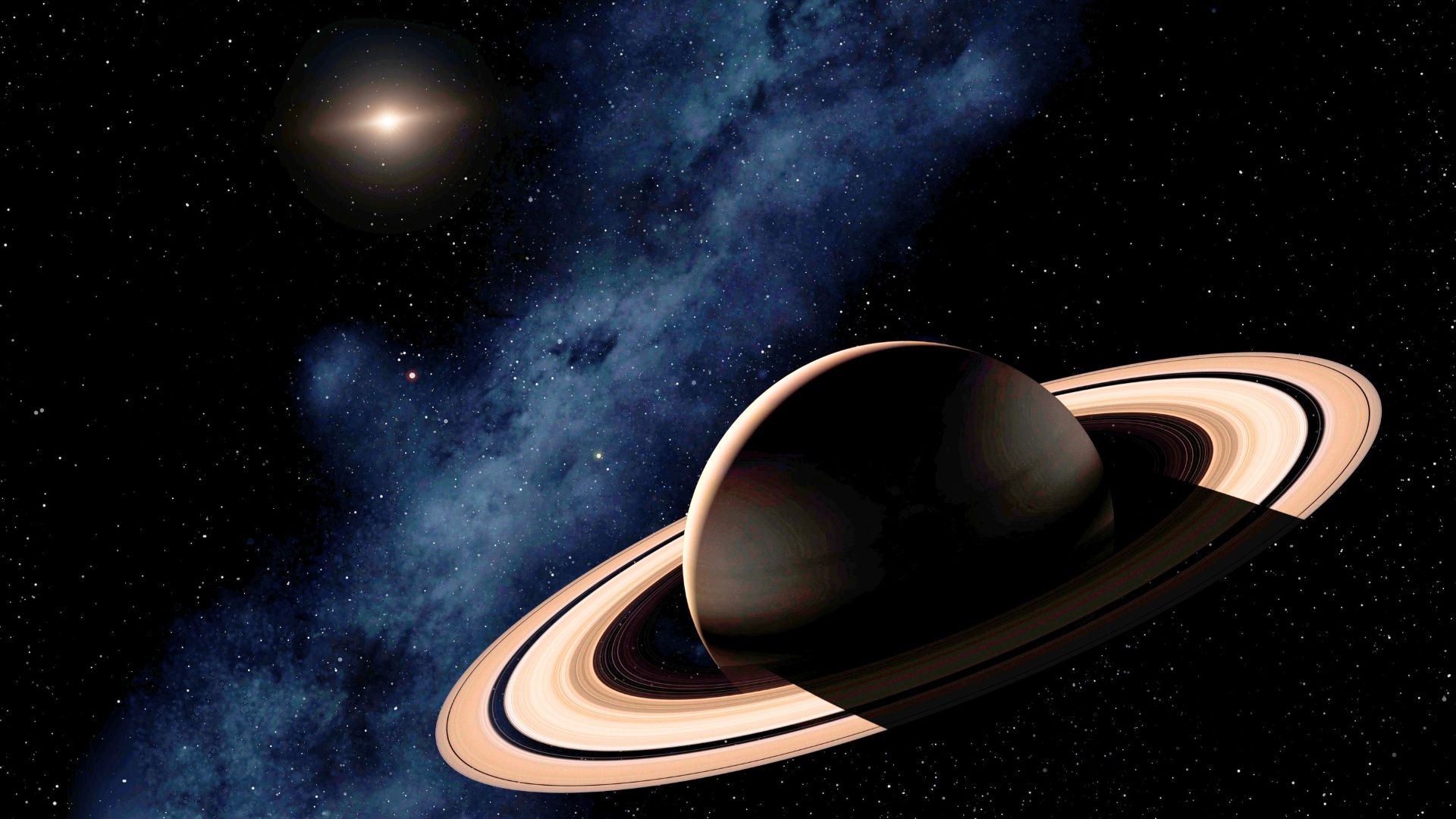
Source: interestingengineering
Author: @IntEngineering
Published: 11/10/2025
To read the full content, please visit the original article.
Read original articleA recent study has revealed that Saturn’s moon Enceladus exhibits significant heat flow at its north pole, overturning prior beliefs that heat loss was limited to the active south pole. This discovery confirms that Enceladus emits more heat than expected for a passive body, supporting the idea that it has the long-term stability necessary for life to develop. Enceladus is known to have a global, salty subsurface ocean heated by tidal forces from Saturn’s gravity, providing liquid water, heat, and essential chemicals like phosphorus and complex hydrocarbons—conditions considered favorable for life beyond Earth.
The research, led by scientists from Oxford University, the Southwest Research Institute, and the Planetary Science Institute, used data from NASA’s Cassini spacecraft to compare thermal emissions at the north pole during different seasons. Their findings indicate that Enceladus maintains a balance of energy gains and losses through tidal heating, which is crucial for sustaining its subsurface ocean without freezing or overheating. Additionally, the study estimated
Tags
energyspace-explorationplanetary-scienceEnceladusheat-flowastrobiologytidal-heating