
Scientists create conductive proteins for safe, implantable devices
Source: interestingengineering
Author: @IntEngineering
Published: 11/6/2025
To read the full content, please visit the original article.
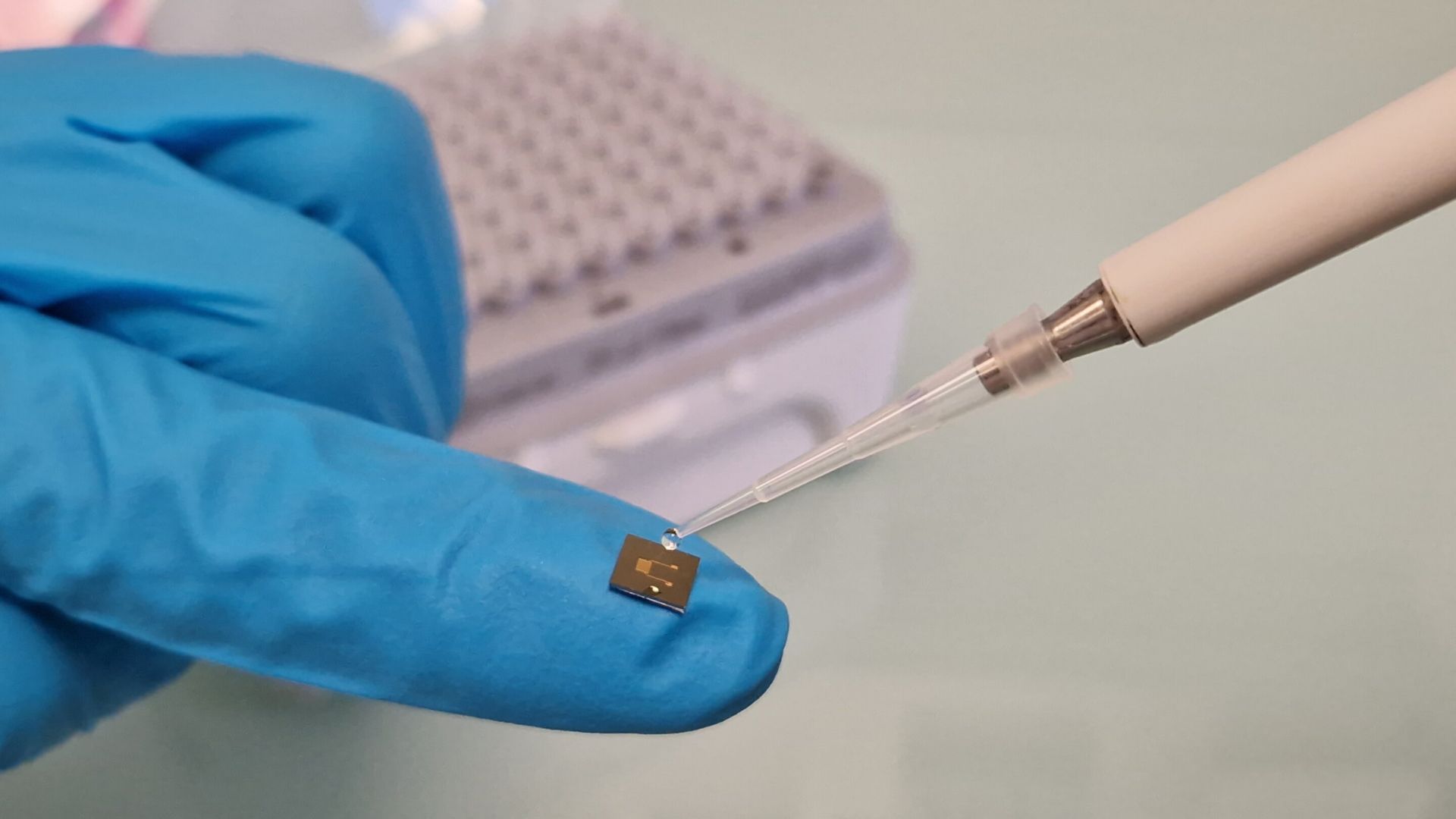
Read original articleScientists at Spain’s CIC biomaGUNE, in collaboration with BCMaterials and CIC EnergiGUN, have developed artificial conductive proteins designed for energy storage and transport. These proteins are biocompatible, stable, and easy to process, making them promising candidates to replace conventional, often hazardous materials used in batteries and supercapacitors. The proteins are engineered through a modular approach, assembling small molecular units into stable structures whose functions—such as ionic conduction—can be precisely tailored by genetically modifying the DNA blueprint. This modification enables efficient electrical charge movement, allowing the proteins to be integrated into energy storage devices capable of rapid energy release and storage.
The biocompatibility of these conductive proteins addresses a significant challenge in implantable medical devices, where traditional rigid metals and silicon components can cause tissue irritation and damage due to stiffness mismatch with soft body tissues. These protein-based materials offer a safer, non-toxic alternative for bioelectronic applications, including pacemakers, implantable glucose sensors, and brain electrodes for
Tags
energymaterialsbioelectronicsconductive-proteinsenergy-storagebiocompatible-materialssustainable-technology