
Scientists to make plastics with crop waste for use in medical products
Source: interestingengineering
Author: @IntEngineering
Published: 1/8/2026
To read the full content, please visit the original article.
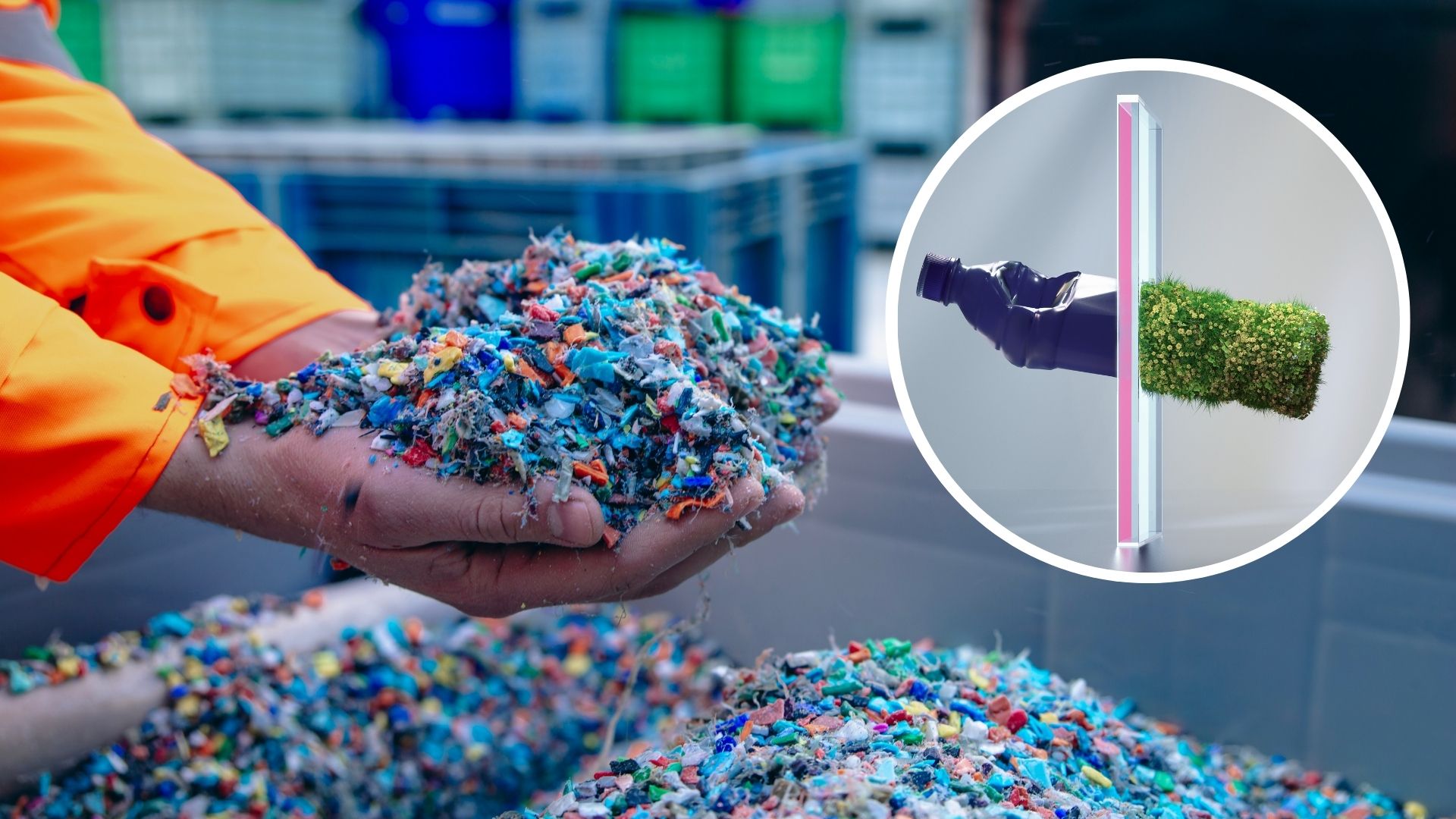
Read original articleResearchers at the University of Oldenburg in Germany are developing a cost-effective, energy-efficient technology to produce fully biodegradable plastics from organic waste such as crop residues, hay, and algae. Their focus is on creating polybutylene succinate (PBS)-based plastics, which share similar robustness and processability with conventional plastics like polypropylene and polyethylene but have the significant advantage of being biodegradable. The project, supported by the university’s strong research infrastructure, aims to offer renewable raw material-based plastics as an industrially viable alternative, contributing to an environmentally friendly circular economy.
The research involves three sub-projects: optimizing the fermentation process to convert biological substrates into Bio-PBS using microorganisms; improving downstream processing to remove contaminants and convert n-butanol into 1,4-butanediol, a key raw material for plastics; and refining the technology further, including developing a new chemical substance to produce fully biodegradable PBS. The team plans to use simulations and machine learning to enhance material and energy efficiency and intends to utilize production
Tags
materialsbiodegradable-plasticsbio-based-materialsfermentation-processrenewable-raw-materialscircular-economybioplastics