
Scientists uncover what's truly limiting silicon solar cell efficiency
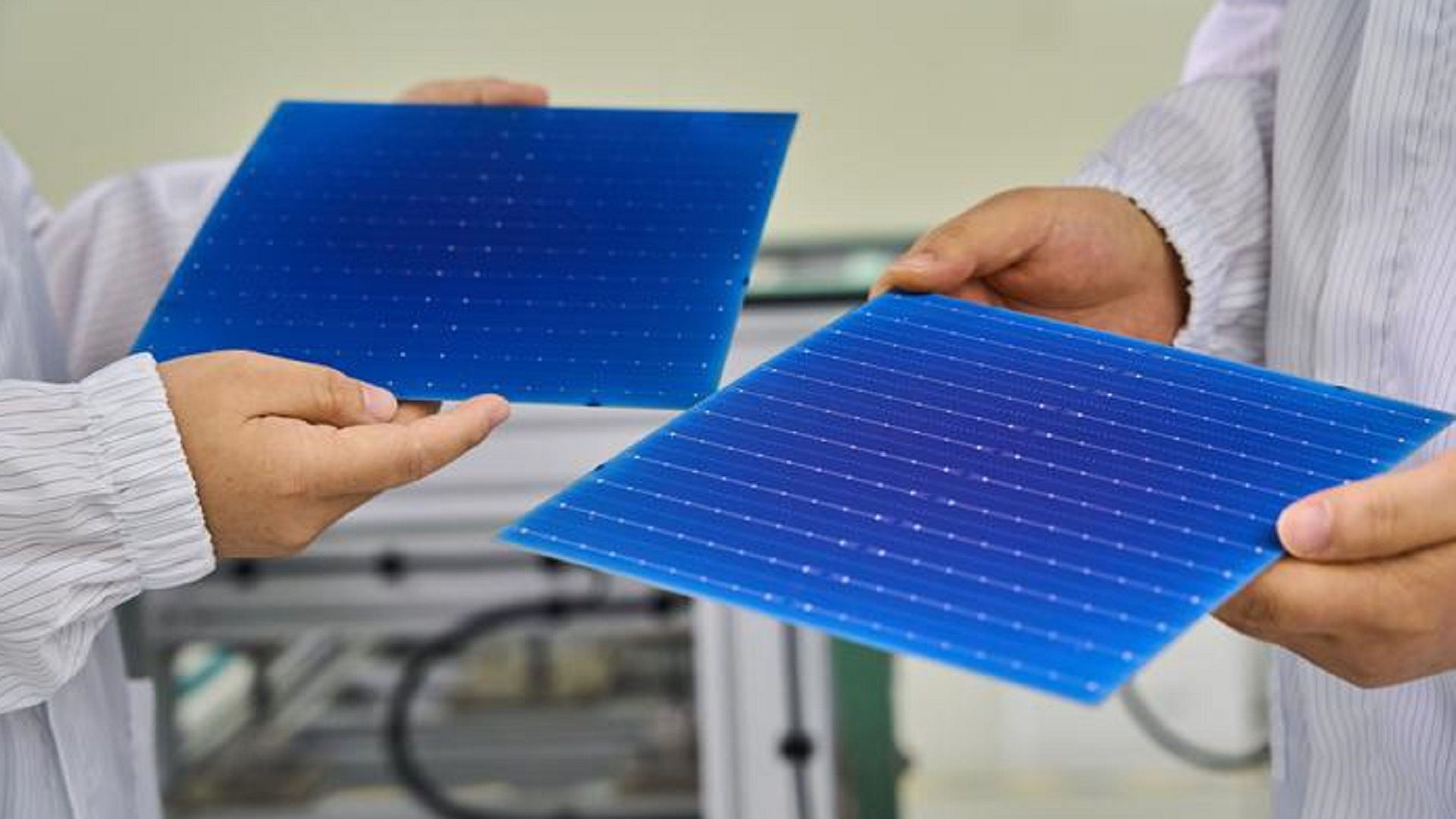
Source: interestingengineering
Author: @IntEngineering
Published: 11/26/2025
To read the full content, please visit the original article.
Read original articleKorean researchers from the Korea Institute of Energy Research (KIER) and Chungbuk National University have identified two distinct microscopic defects that limit the efficiency of silicon heterojunction (SHJ) solar cells, currently the most efficient silicon-based solar technology. SHJ cells combine crystalline silicon with thin amorphous silicon layers and are key components in next-generation tandem solar architectures aimed at surpassing conventional silicon cell performance. The team improved upon the traditional Deep Level Transient Spectroscopy (DLTS) method by developing a new analysis approach that tracks the full transient response of defects, revealing that what was previously thought to be a single defect signature is actually a superposition of two independent defect types with different energy levels and behaviors.
The study found one defect to be a slow, deep-level component and the other a fast, shallow-level component, each with distinct spatial locations and atomic bonding configurations within the device. Importantly, these defects can switch bonding configurations depending on manufacturing conditions and device operation, with hydrogen playing a
Tags
energysolar-cellssilicon-heterojunctionphotovoltaicsdefect-analysisrenewable-energysemiconductor-materials