
Temple of Venus survived almost 2,000 years in volcanic landscape, here’s how
Source: interestingengineering
Author: Maria Mocerino
Published: 11/23/2025
To read the full content, please visit the original article.
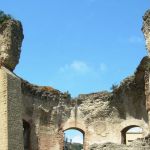
Read original articleThe Temple of Venus, located in the volcanic Phlegraean Fields near Naples, Italy, has remarkably withstood nearly 2,000 years of volcanic activity, a durability attributed to the advanced construction techniques of ancient Roman builders. A recent study published in Geoheritage analyzed nine samples from the temple, including mortars, bricks, volcanic scoria, and lava, revealing that the Romans ingeniously used local volcanic materials to enhance structural strength. The mortars were lime-based but reacted with volcanic fragments when exposed to water, creating a hydraulic mortar that strengthened over time. Additionally, the bricks incorporated minerals like quartz and hematite, requiring moderate firing temperatures, while lightweight volcanic scoria sourced from Mount Vesuvius was used in the upper sections to reduce stress on the structure.
This combination of materials and techniques demonstrates the Romans’ deep understanding of how to leverage the volcanic environment to their advantage, ensuring the temple’s resilience against natural threats. Unlike modern constructions often built with limited longevity in mind, the Romans
Tags
materialsvolcanic-materialsRoman-architecturebuilding-materialsancient-constructionhydraulic-mortarstructural-durability