
Thorium-229 laser breakthrough brings optical nuclear clocks closer
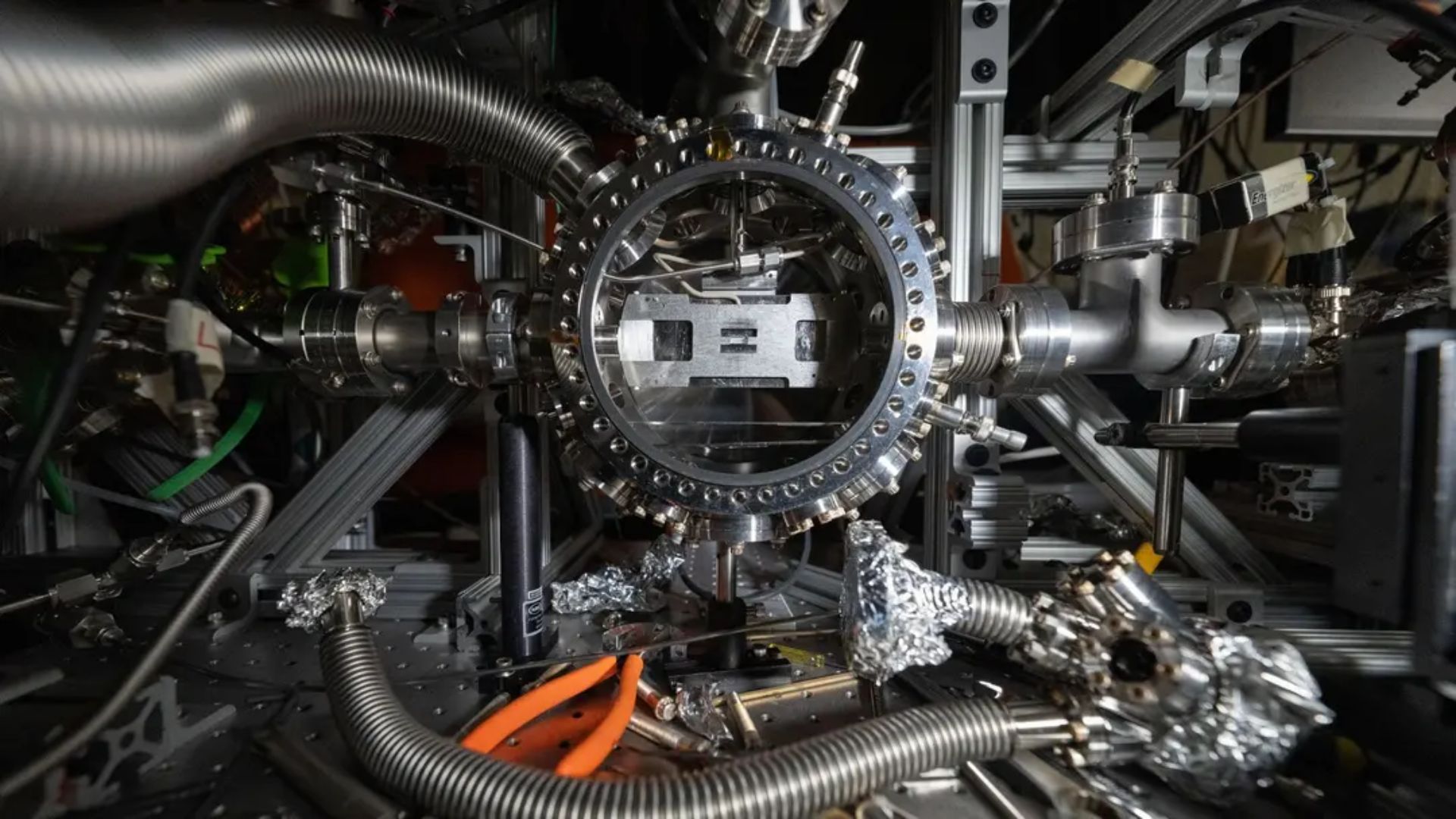
Source: interestingengineering
Author: @IntEngineering
Published: 12/18/2025
To read the full content, please visit the original article.
Read original articleA collaborative effort between researchers in the US and Germany has achieved a significant breakthrough in optical nuclear clocks by successfully performing laser-based excitation of Thorium-229 (Th-229) in a non-transparent host material. Previously, such excitation had only been possible in materials transparent to 148 nm laser light. This advancement expands the range of materials suitable for nuclear laser spectroscopy and marks a crucial step toward realizing an optical nuclear clock, which promises unprecedented accuracy in time measurement.
Optical nuclear clocks differ from traditional atomic clocks by relying on the nucleus rather than electron energy levels, making them far less susceptible to external magnetic and electric fields. This resilience could lead to more precise timekeeping, benefiting technologies like satellite navigation, telecommunications, and autonomous transport. The new ability to excite Th-229 nuclei in opaque materials not only brings the optical nuclear clock closer to reality but also opens new experimental possibilities, including laser-based IC Mössbauer spectroscopy and investigations into fundamental physics such as temporal variations in natural constants.
Tags
materialsnuclear-clocksthorium-229laser-excitationoptical-nuclear-spectroscopyprecision-timekeepingadvanced-materials