
US lab advances nuclear reactor safety with extreme 1,340°F testing
Source: interestingengineering
Author: @IntEngineering
Published: 2/26/2026
To read the full content, please visit the original article.
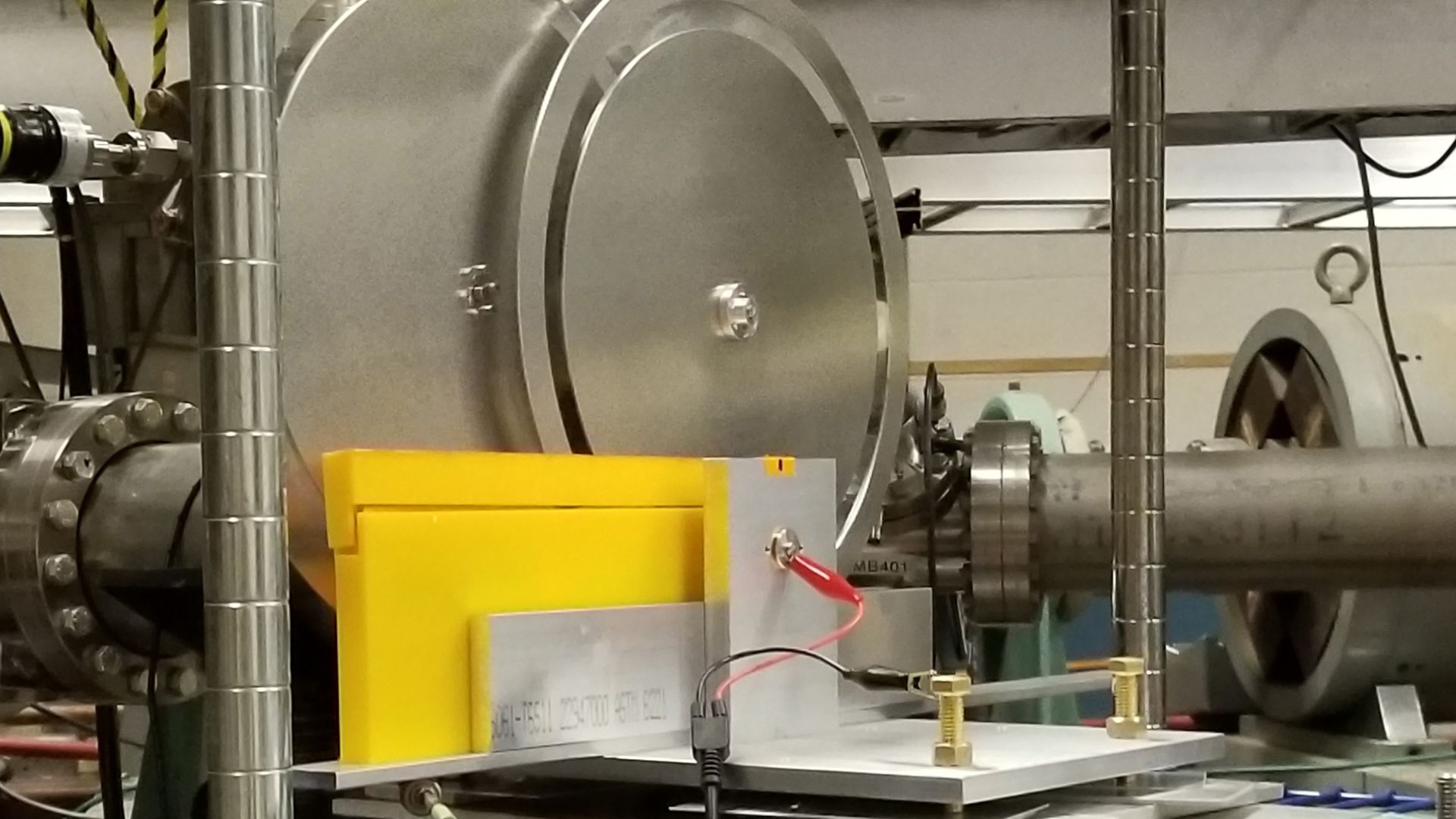
Read original articleResearchers at the US Department of Energy’s Argonne National Laboratory have developed an advanced testing method capable of measuring the thermal conductivity of nuclear materials at temperatures up to 1,000 Kelvin (approximately 1,340°F). This breakthrough, based on the “suspended bridge method,” allows scientists to analyze microscopic samples of nuclear fuel—hundreds of times thinner than a human hair—in a vacuum environment. By isolating individual phases of fuel materials, the technique provides highly precise data on how heat moves through fuel under extreme conditions, which is critical for ensuring reactor safety and efficiency. The method currently operates across a wide temperature range (-450°F to 260°F) with imminent upgrades extending to 1,340°F, and initial tests on stainless steel and uranium-molybdenum alloys have validated its accuracy.
This innovation addresses a significant gap in existing testing methods that struggle to capture how nuclear fuel degrades during actual reactor operations. By enabling precise measurement of thermal conductivity at extreme temperatures, the technique helps
Tags
energynuclear-energymaterials-sciencethermal-conductivityreactor-safetyadvanced-testing-methodsnuclear-fuel