
US lab makes graphite from coal waste, can be used in nuclear reactor
Source: interestingengineering
Author: @IntEngineering
Published: 1/16/2026
To read the full content, please visit the original article.
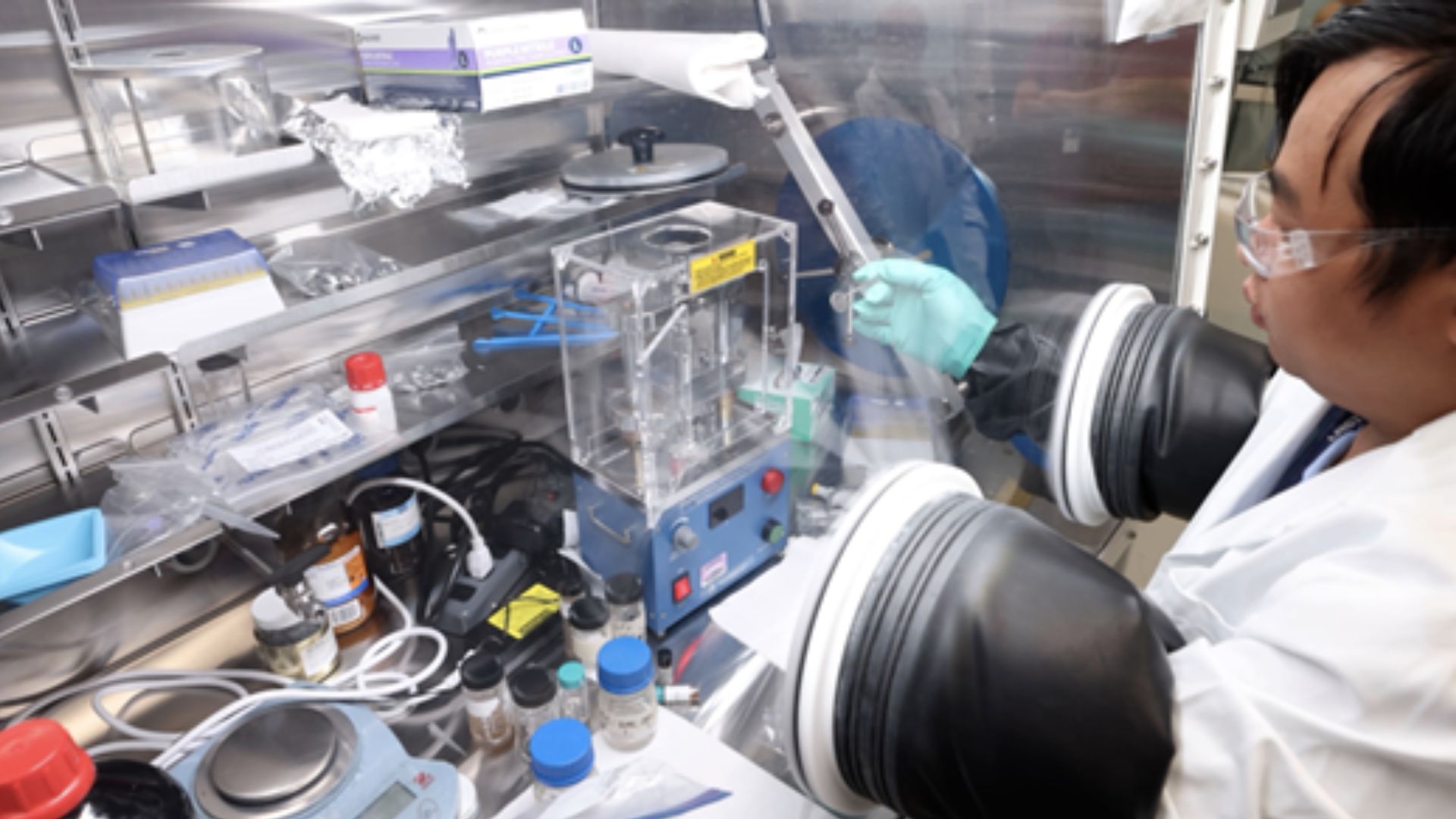
Read original articleThe US National Energy Technology Laboratory (NETL) has developed a novel low-temperature catalytic process to produce high-quality graphite from coal waste and other carbon-rich materials such as coal char, bio-char, petroleum coke, and plastic waste. This innovative method uses earth-abundant catalysts like iron to facilitate the formation of highly crystalline graphite at temperatures below 1,500 degrees Celsius, significantly lower than the conventional 3,000 degrees Celsius. The process is also faster, reducing production time from weeks to hours, and the catalyst can be recycled indefinitely, improving economic viability. Graphite produced through this method performs comparably to commercial graphite in applications such as lithium-ion battery anodes.
Graphite is classified as a critical mineral in the United States due to its essential role in manufacturing, including battery electrodes, steel production, and nuclear power, combined with supply chain vulnerabilities. Currently, the global graphite market is heavily dominated by China, which produces about 70% of natural graphite and 60% of synthetic graphite.
Tags
materialsgraphitecoal-wastebattery-technologyenergy-storagecritical-mineralsmanufacturing-innovation