
US lab models lightning from clouds in plastic to study storm physics
Source: interestingengineering
Author: @IntEngineering
Published: 3/6/2026
To read the full content, please visit the original article.
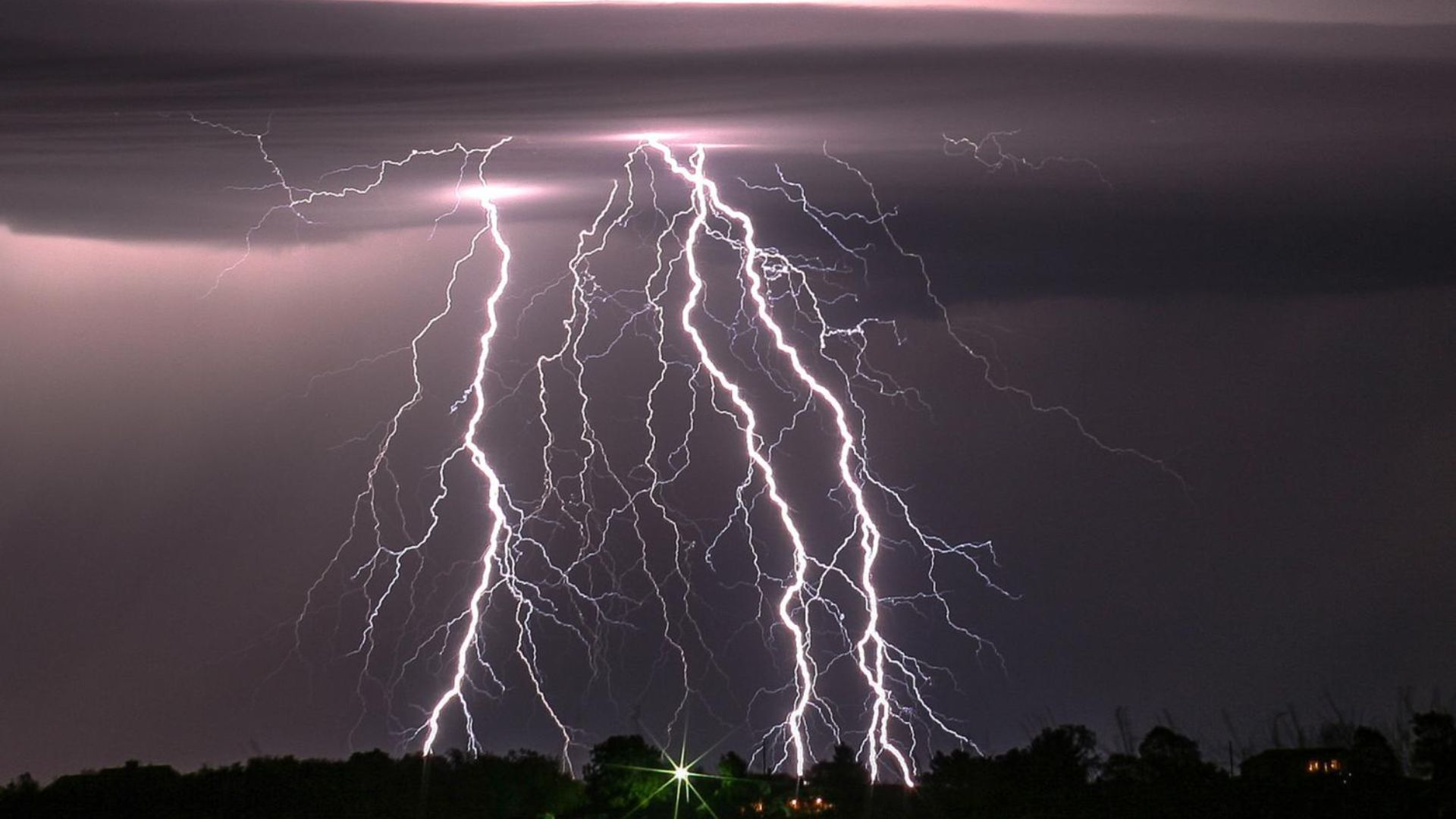
Read original articleResearchers at Penn State have demonstrated through numerical simulations that lightning-like discharges can be generated and studied within small blocks of dense solid materials such as acrylic, quartz, or bismuth germanate, which are about 1,000 times denser than air. By applying the same physical models used for natural lightning but scaled down to a size slightly larger than a deck of cards, the team showed that high-powered electron sources can trigger "relativistic runaway electron avalanches" and photoelectric feedback loops inside these solids. These processes, which in thunderstorms occur over kilometers and milliseconds, can happen in solids over mere centimeters and billionths of a second, achieving electrical potentials on the order of 100 million volts.
This breakthrough suggests that the complex physics of lightning initiation and propagation, previously thought to require vast storm clouds, can be recreated in controlled laboratory settings. Such lab-scale lightning modeling offers significant scientific advantages by enabling precise manipulation of variables and reducing reliance on unpredictable storm-chasing methods. Beyond advancing meteorological
Tags
materialslightning-researchelectrical-engineeringacrylicquartzphotoelectric-feedbacklab-simulation