
US lab tests passive nuclear safety systems against insider threats
Source: interestingengineering
Author: @IntEngineering
Published: 1/28/2026
To read the full content, please visit the original article.
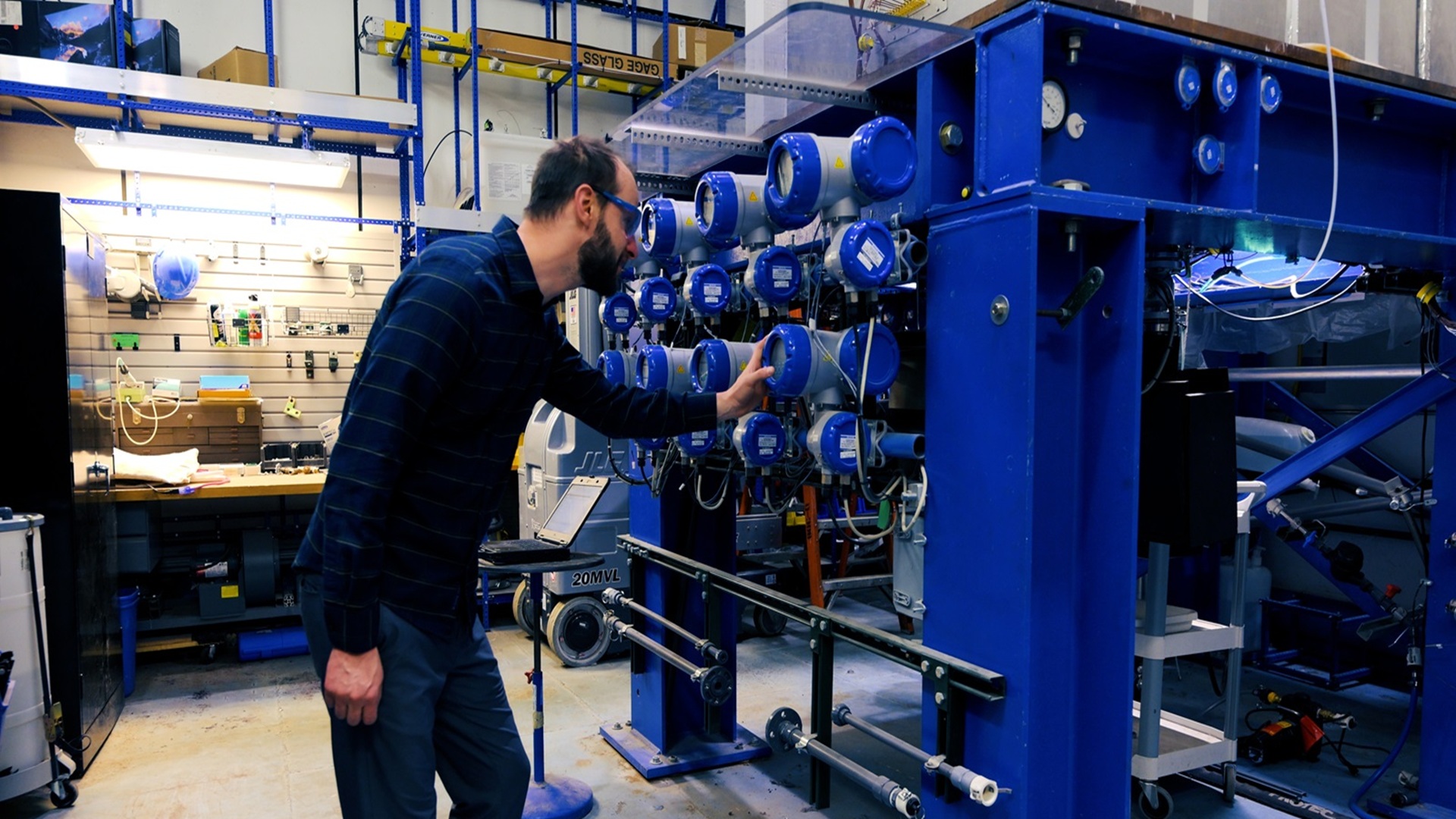
Read original articleEngineers at the U.S. Department of Energy’s Argonne National Laboratory are proactively testing how insider threats could compromise passive safety systems in next-generation nuclear reactors before these designs are finalized and licensed. Passive safety systems, which rely on natural physical processes rather than active controls, are widely used and trusted in current reactors, but future designs like small modular reactors depend even more heavily on them. Argonne’s research focuses on realistic sabotage scenarios involving insiders with authorized access, such as leaving access points open or blocking cooling pathways, to identify vulnerabilities that could cause system failures.
Using the Natural Convection Shutdown Heat Removal Test Facility, Argonne and collaborating national labs have simulated these sabotage scenarios to observe system responses under stress. Their findings, compiled in a report for the International Atomic Energy Agency, confirm that while multiple layers of protection—such as controlled access, alarms, and redundancy—make successful sabotage difficult, some vulnerabilities remain and should be addressed early in the design process. The goal is to guide reactor developers in strengthening
Tags
energynuclear-energypassive-safety-systemsreactor-safetyadvanced-nuclear-reactorsenergy-researchnuclear-security