
US team's sound-guided drones can fly where cameras fail to see
Source: interestingengineering
Author: @IntEngineering
Published: 11/2/2025
To read the full content, please visit the original article.
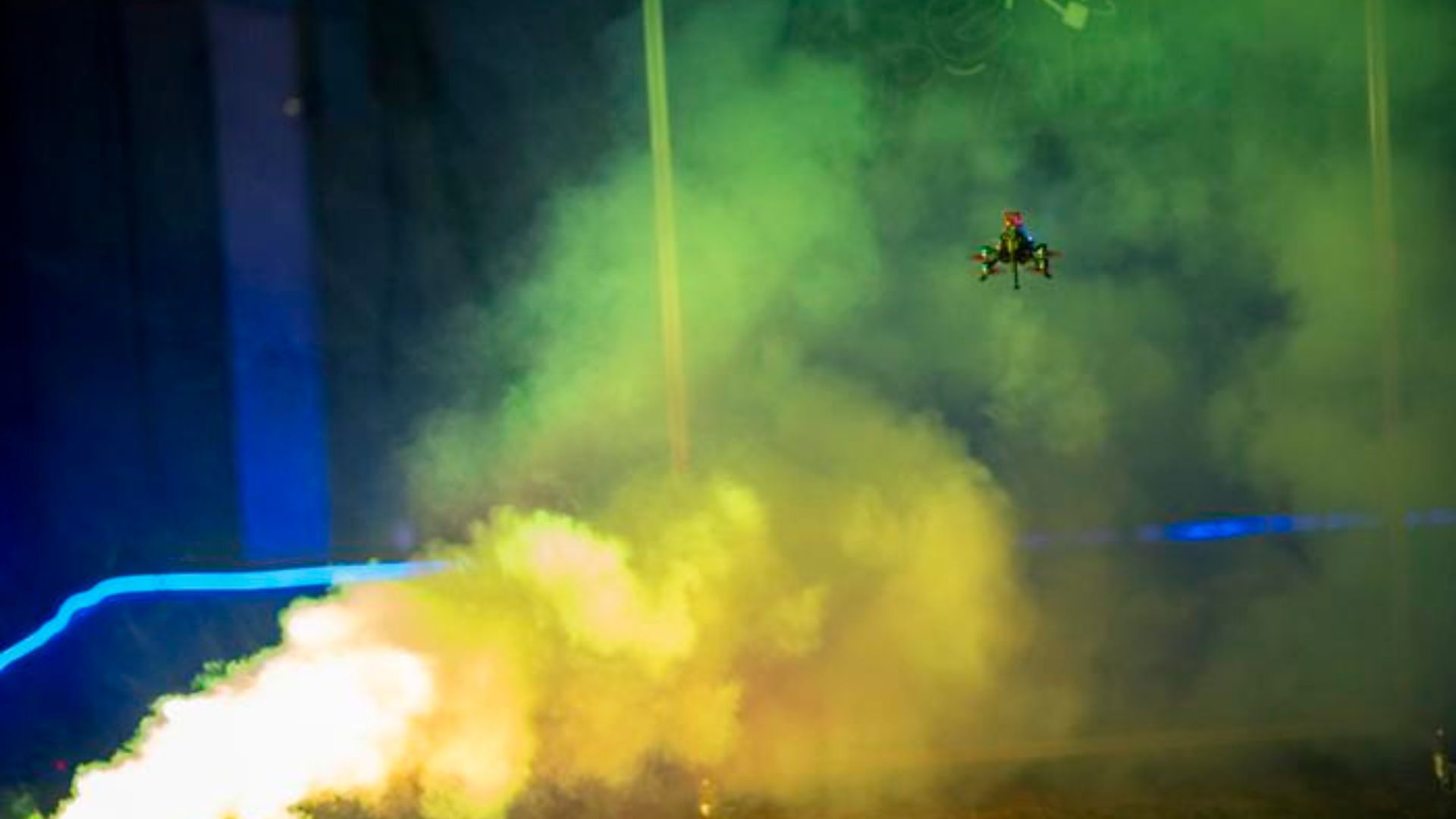
Read original articleResearchers at Worcester Polytechnic Institute (WPI) are developing tiny aerial robots that navigate using sound rather than traditional cameras or light sensors, enabling operation in environments with smoke, dust, or darkness where vision-based systems fail. Inspired by the echolocation abilities of bats and birds, the project combines metamaterials to reduce propeller noise, alternative propulsion methods like flapping wings, and bio-inspired designs to improve ultrasonic signal capture and emission. These drones will be compact—under 100 millimeters and 100 grams—and aim to be energy-efficient, affordable, and capable of autonomous navigation in challenging conditions.
Funded by a $704,908 National Science Foundation grant over three years starting in September 2025, the project integrates physics-informed deep learning and hierarchical reinforcement learning to process ultrasonic signals and enable obstacle avoidance and goal-directed movement. Sensor fusion combining echolocation with inertial and other data enhances situational awareness and reliability. The research seeks to create deployable drone swarms for search, rescue, and hazardous environment
Tags
roboticsdronesmetamaterialsbio-inspired-navigationultrasonic-sensingreinforcement-learningaerial-robots