
Waste bread could replace fossil fuels with carbon-negative chemistry
Source: interestingengineering
Author: @IntEngineering
Published: 2/23/2026
To read the full content, please visit the original article.
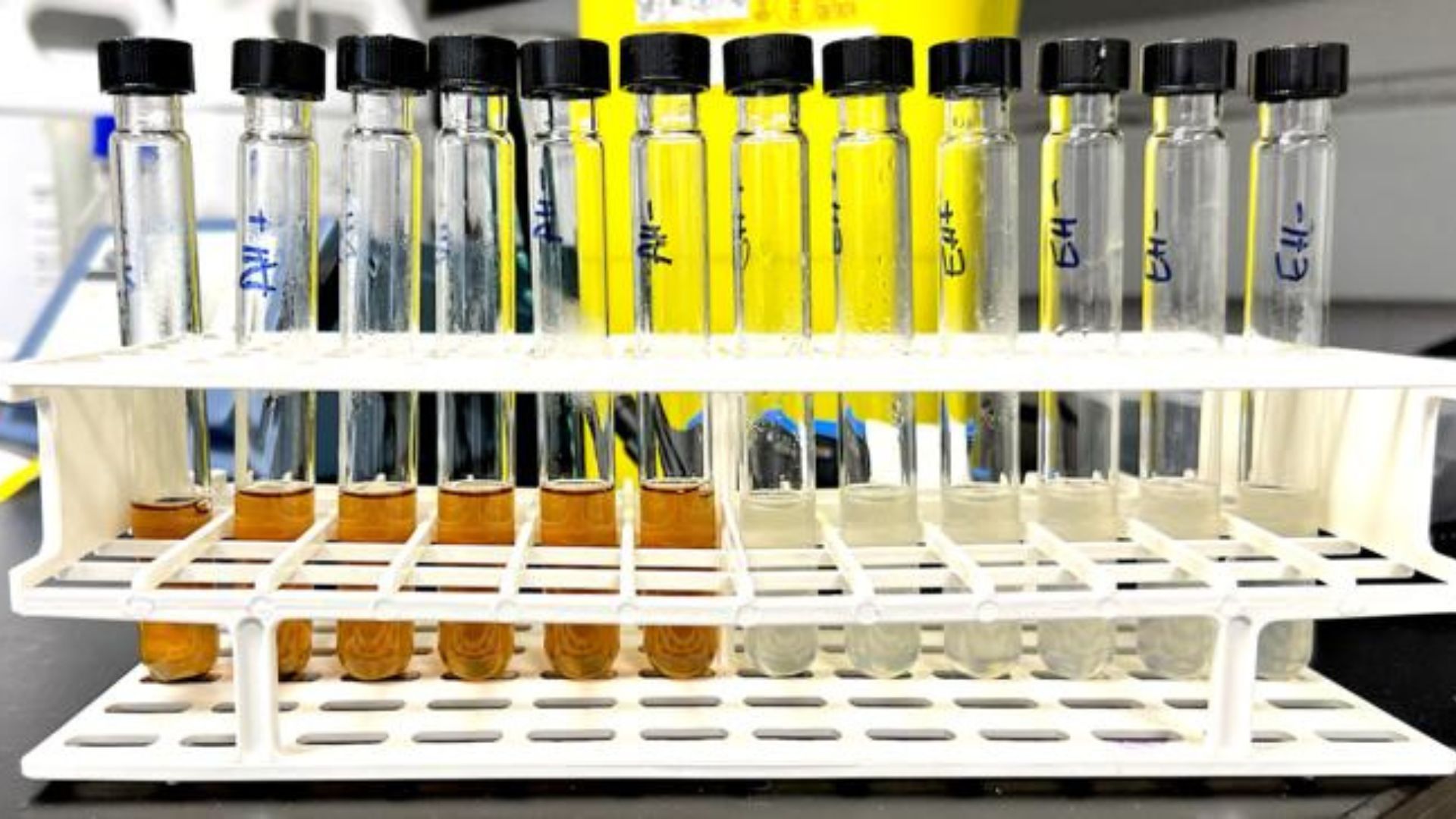
Read original articleResearchers at the University of Edinburgh have developed a novel, carbon-negative method to power hydrogenation—a key chemical process used in manufacturing pharmaceuticals, plastics, and fuels—by utilizing waste bread as a feedstock. Traditionally, hydrogenation depends on hydrogen gas derived from fossil fuels, requiring metal catalysts and extreme conditions, which results in significant carbon emissions. The new approach employs a common strain of E. coli bacteria that consume sugars extracted from discarded bread to biologically generate hydrogen gas in an oxygen-free environment. This microbially produced hydrogen, combined with a small amount of palladium catalyst, enables hydrogenation reactions at near-room temperature without fossil fuel inputs.
This innovative single-flask process not only reduces reliance on carbon-intensive fossil fuels but also addresses waste management issues by diverting bread from methane-emitting landfills. The technique has broad implications for sustainable manufacturing across various industries, including pharmaceuticals and fine chemicals, offering a scalable, greener alternative. The research team aims to further refine the method by eliminating metal catalysts altogether
Tags
energysustainable-chemistryhydrogenationcarbon-negativebiohydrogenwaste-to-energygreen-manufacturing